The event, which runs until 10 October, kicked off with a screening of ‘La bola negra’ and was preceded by the opening of the refurbished Espacio Almodóvar at the Rafael Serrano Cultural Centre
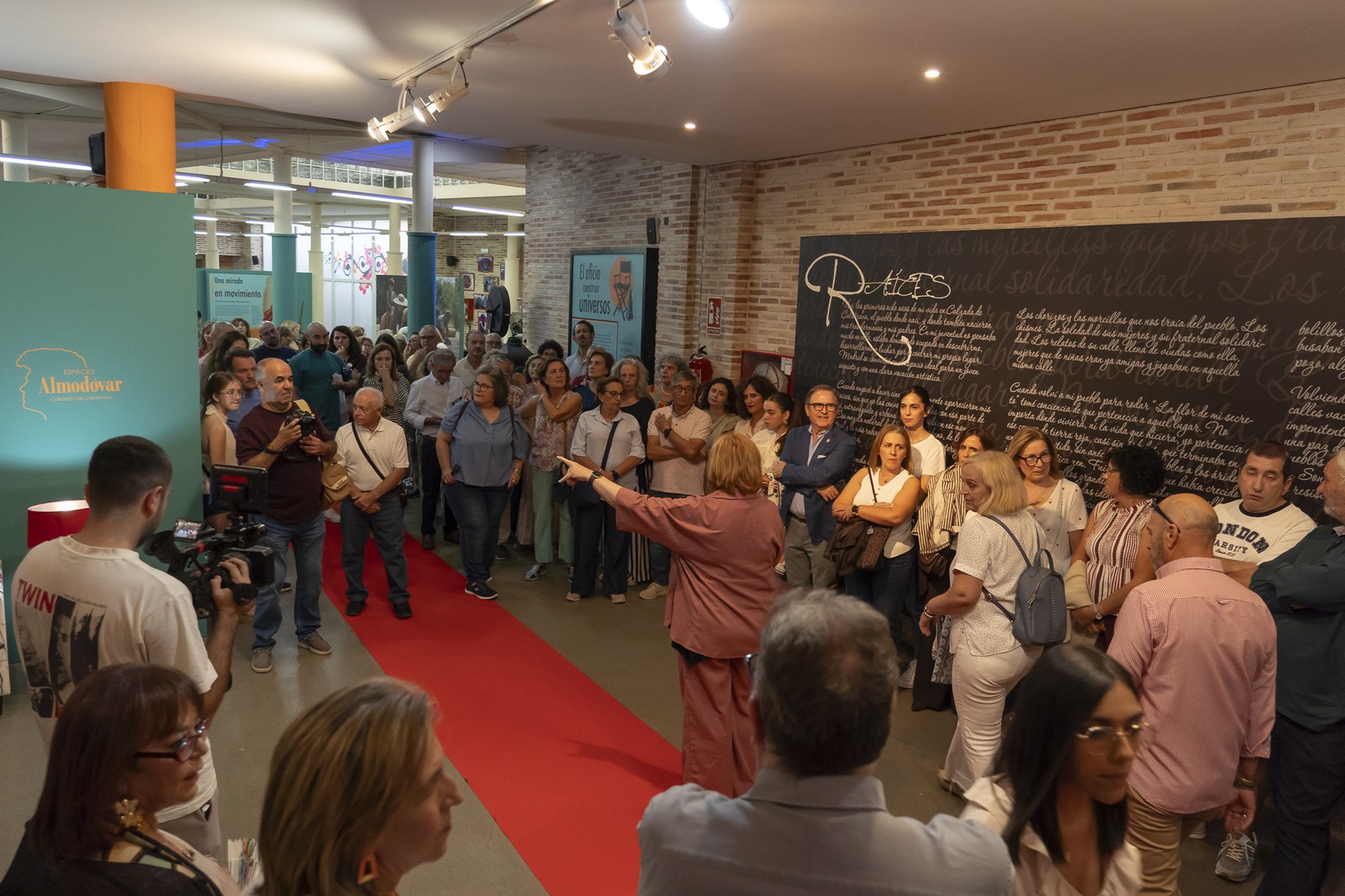
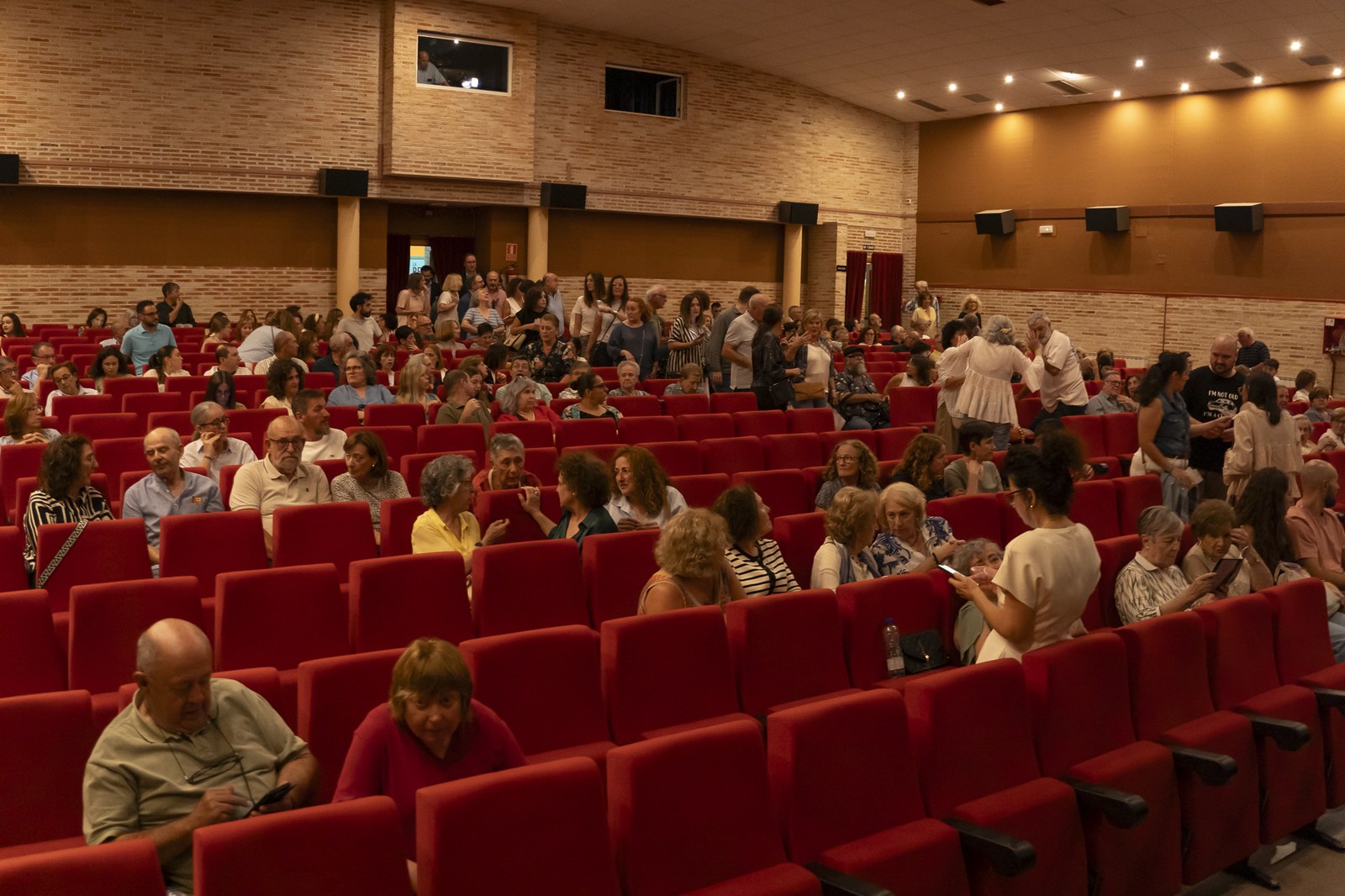
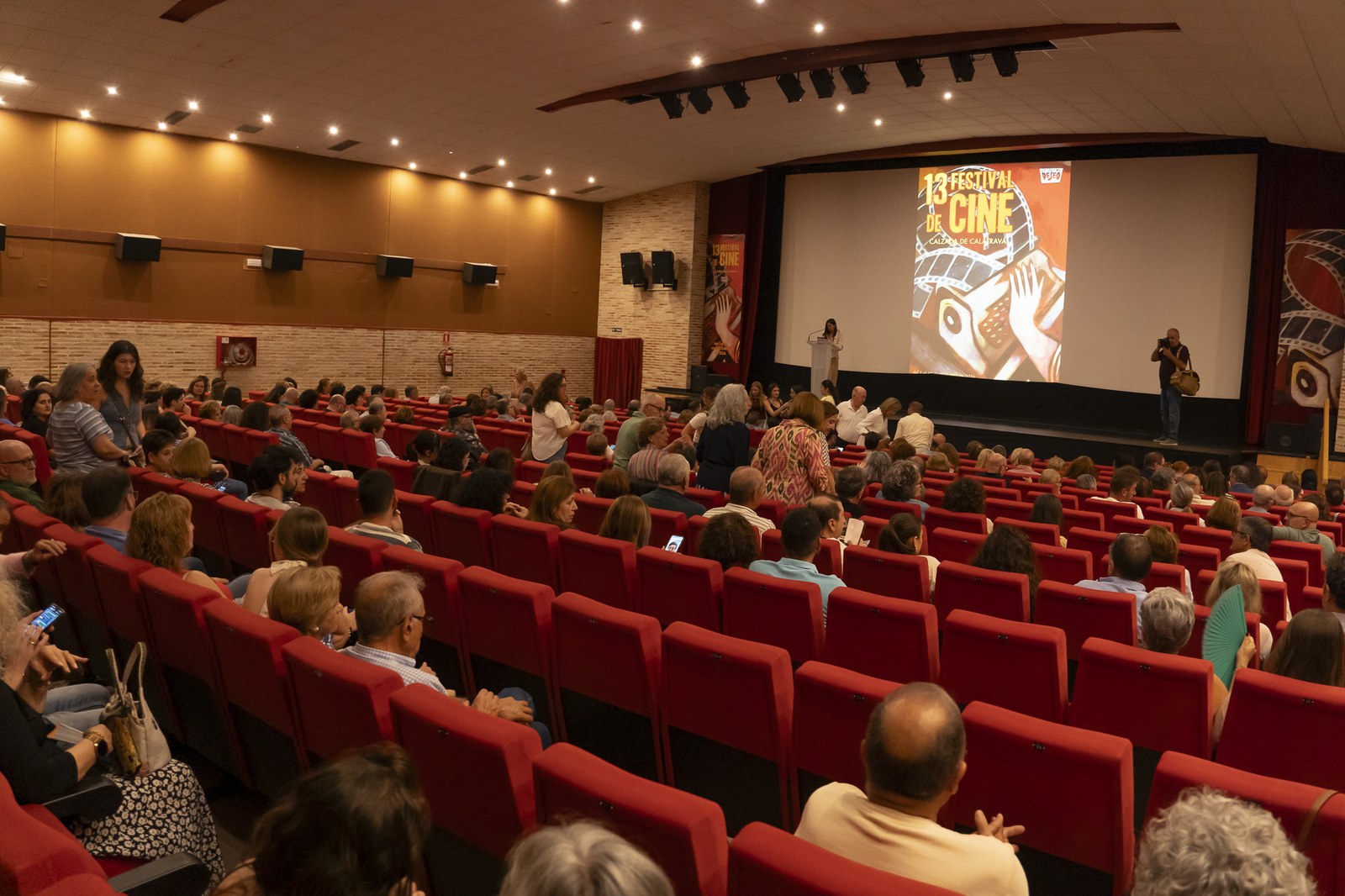
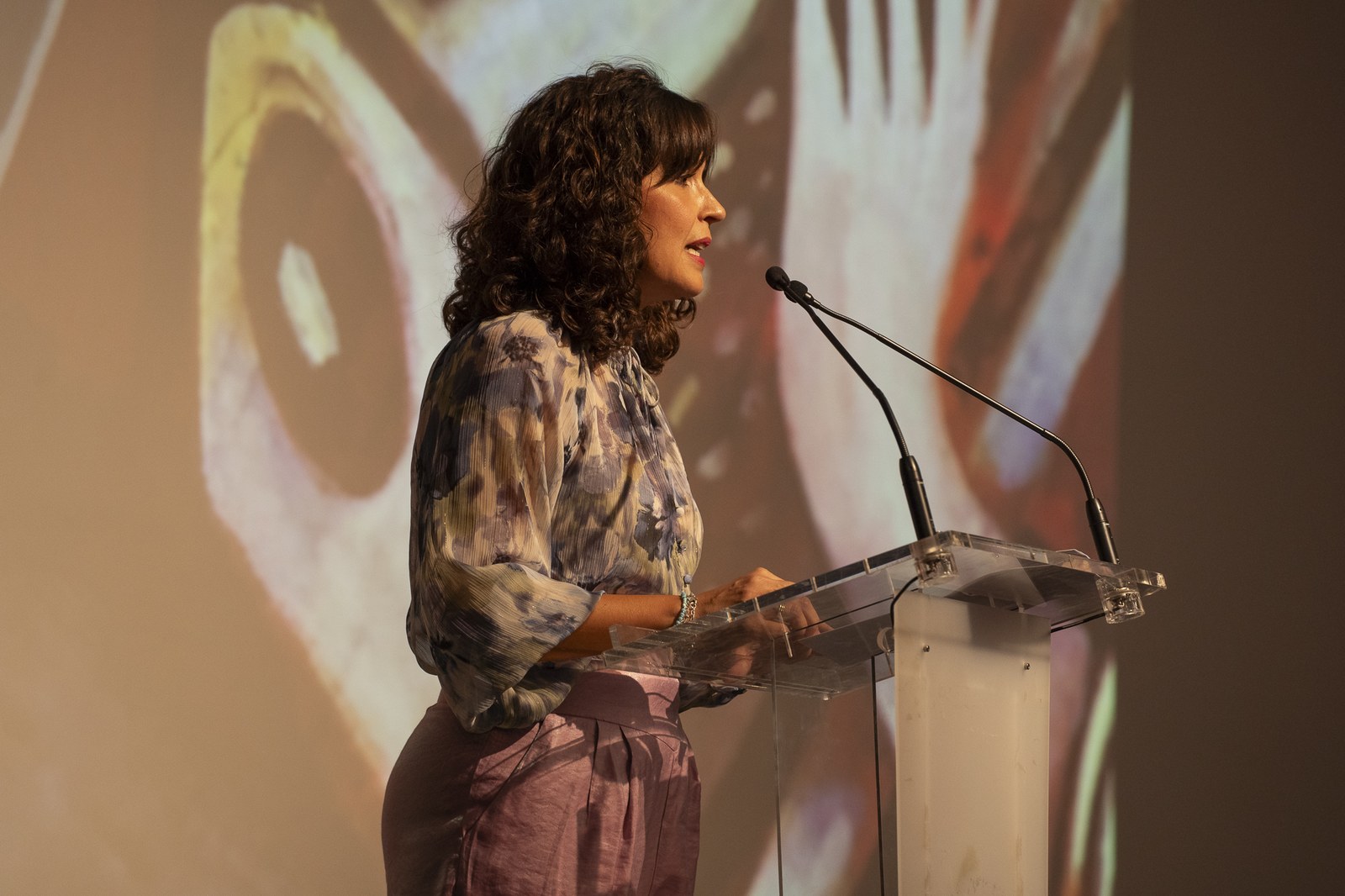
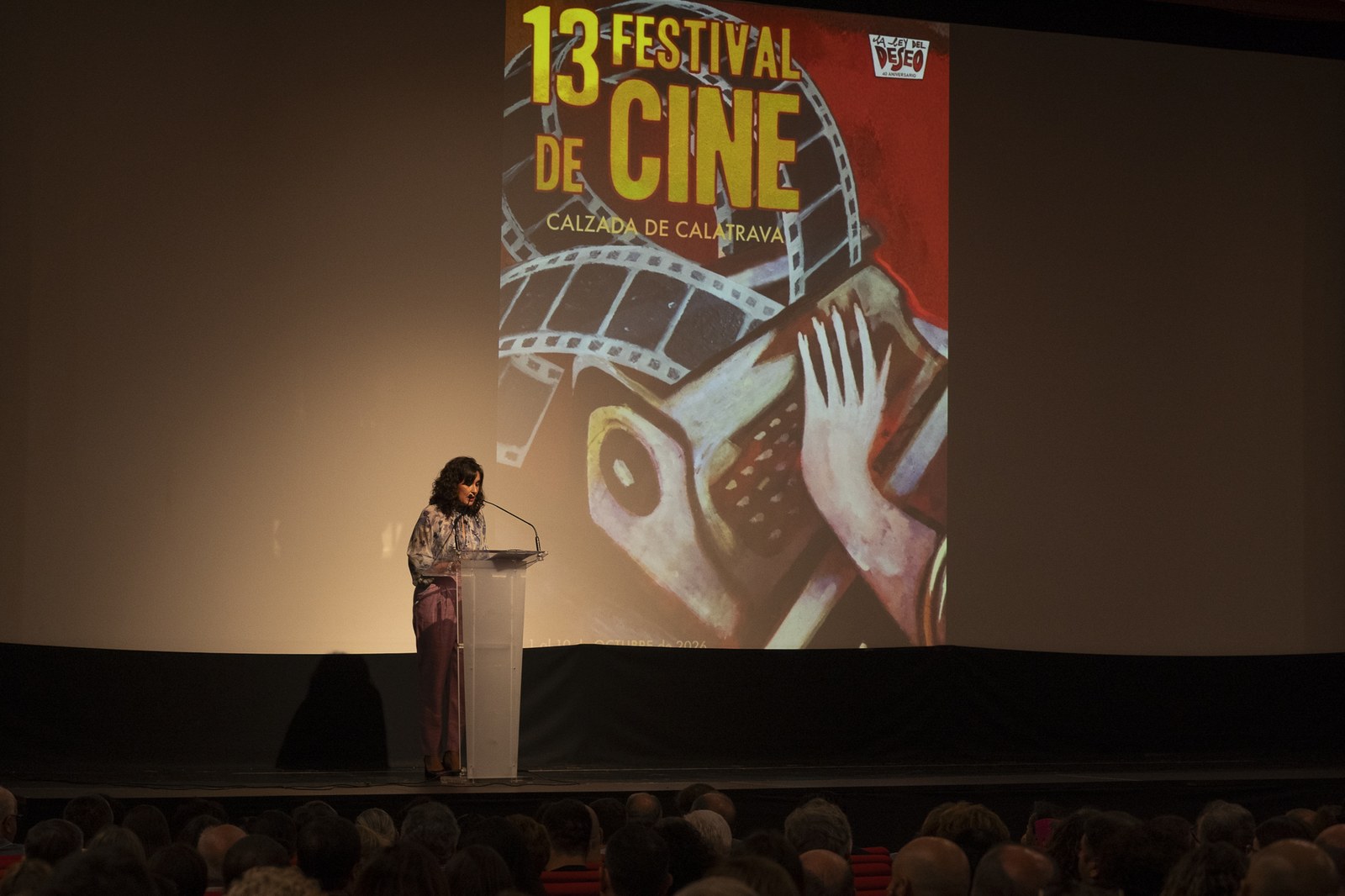
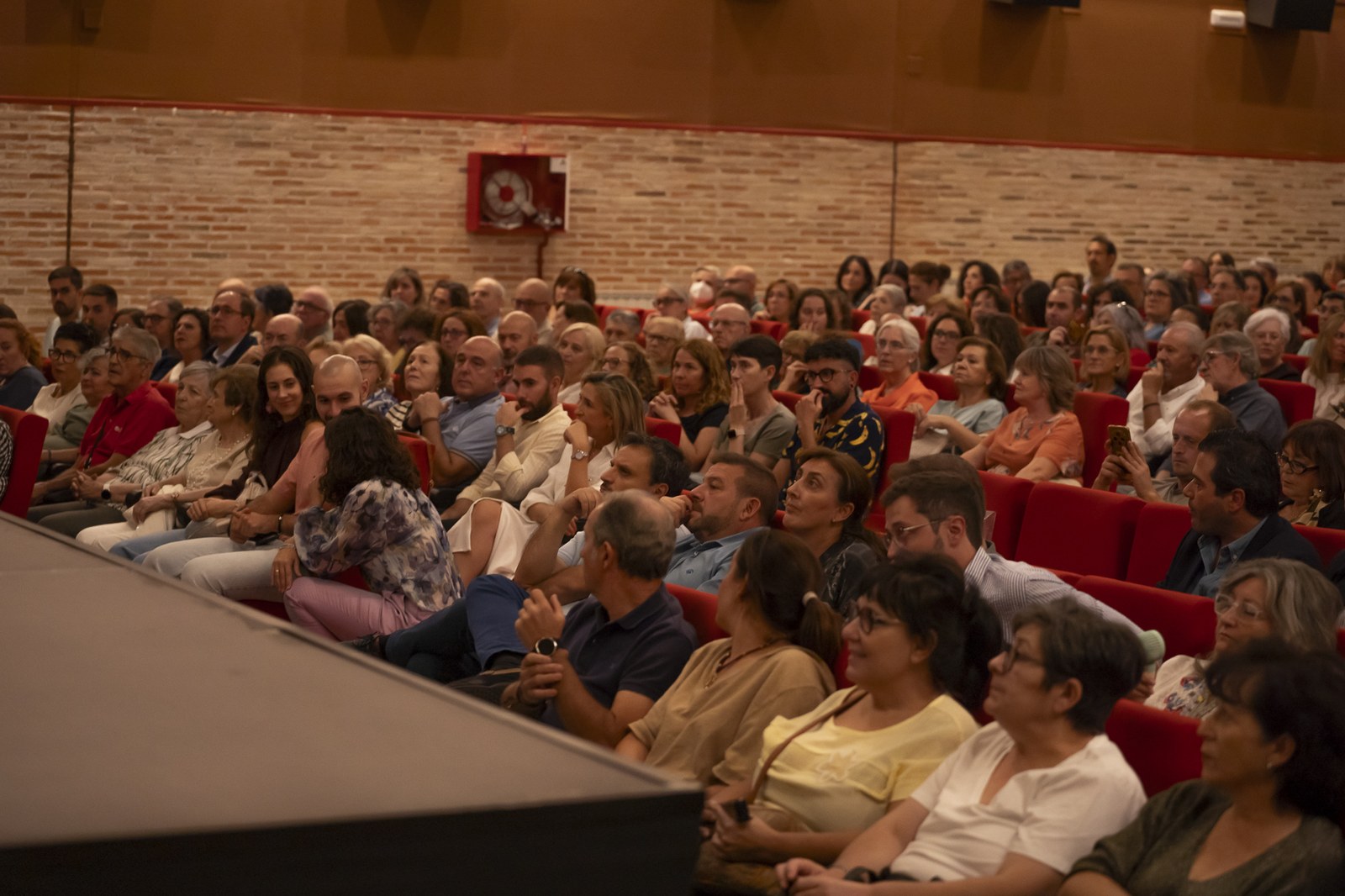
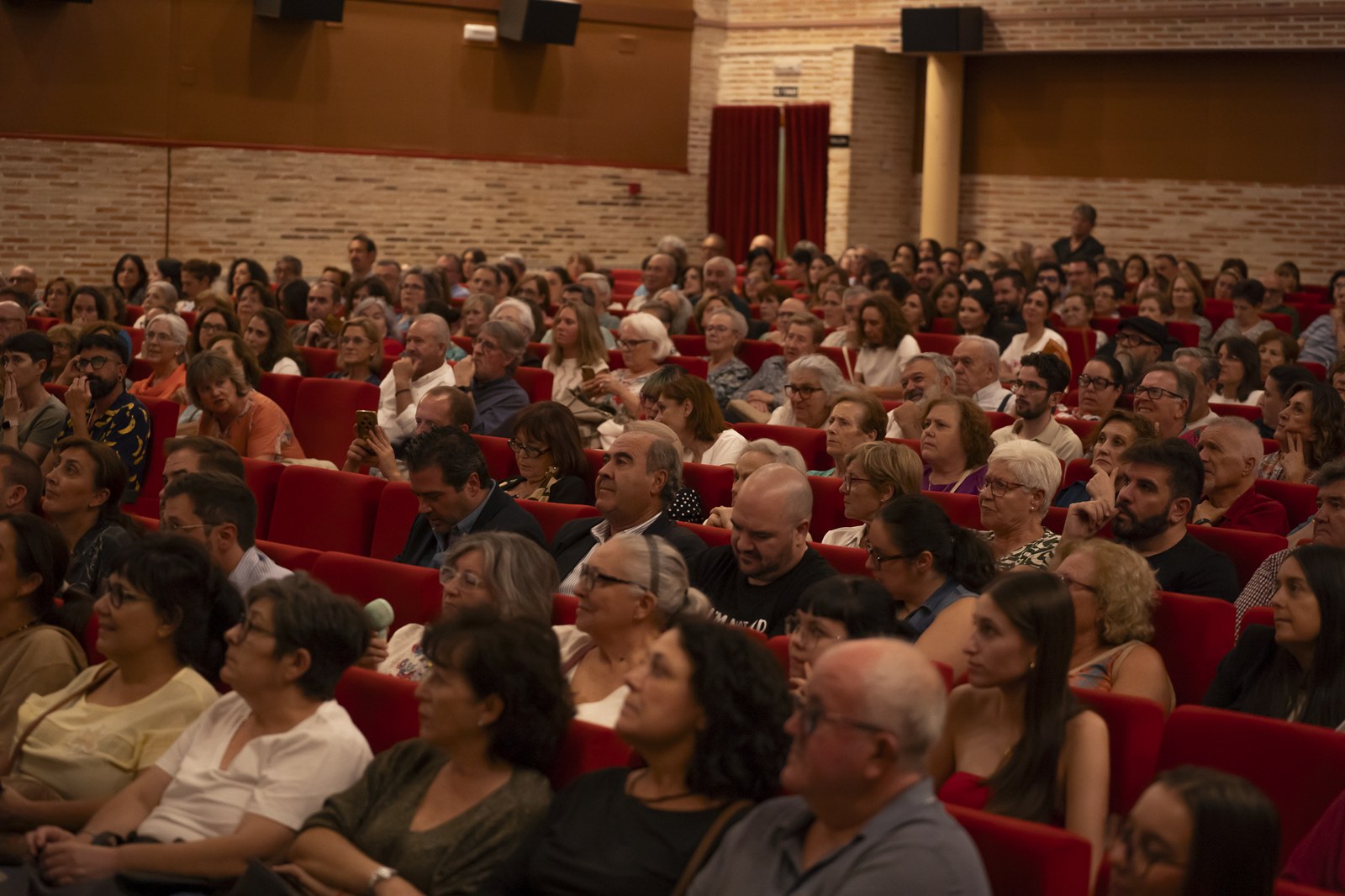
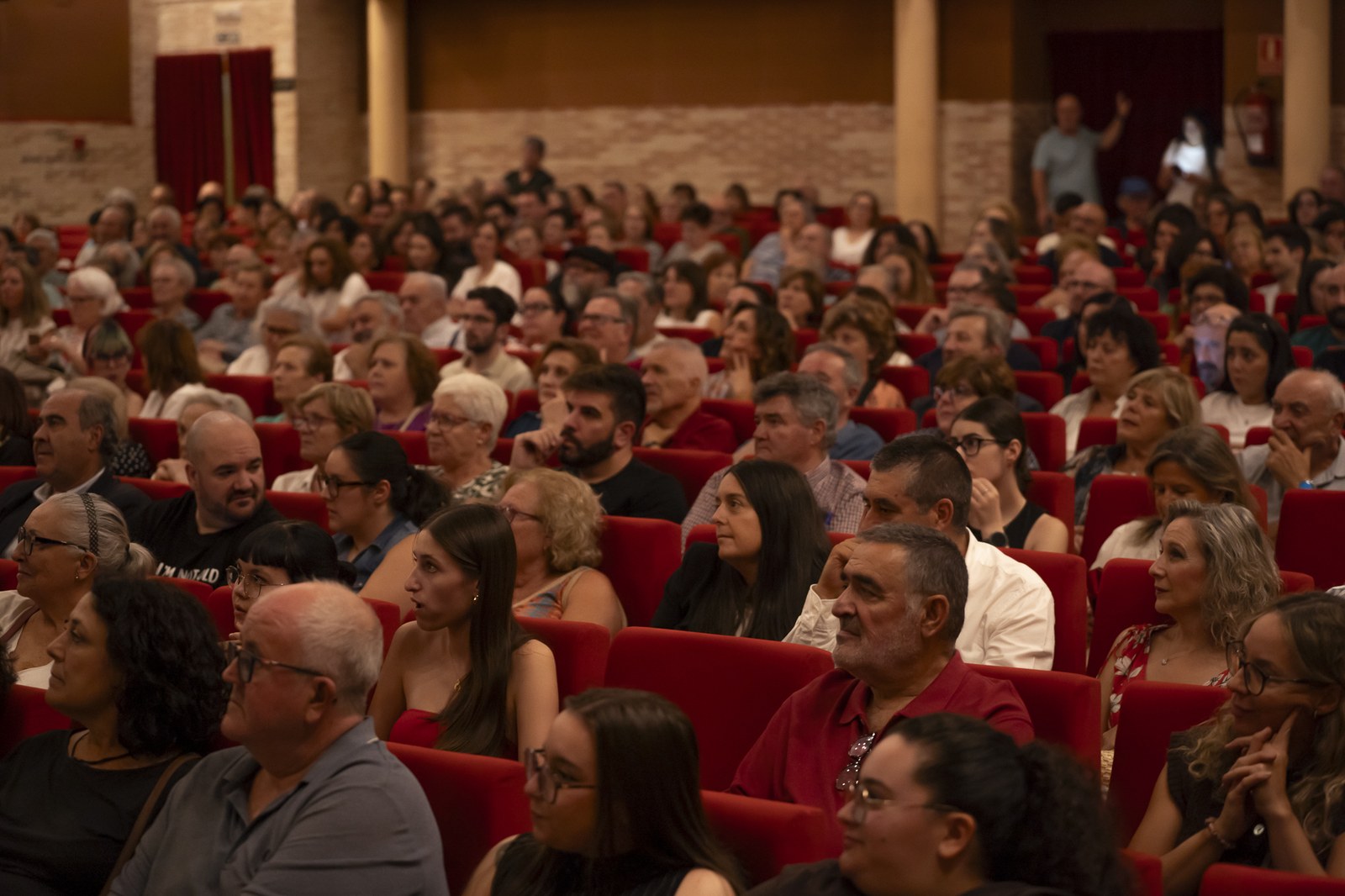
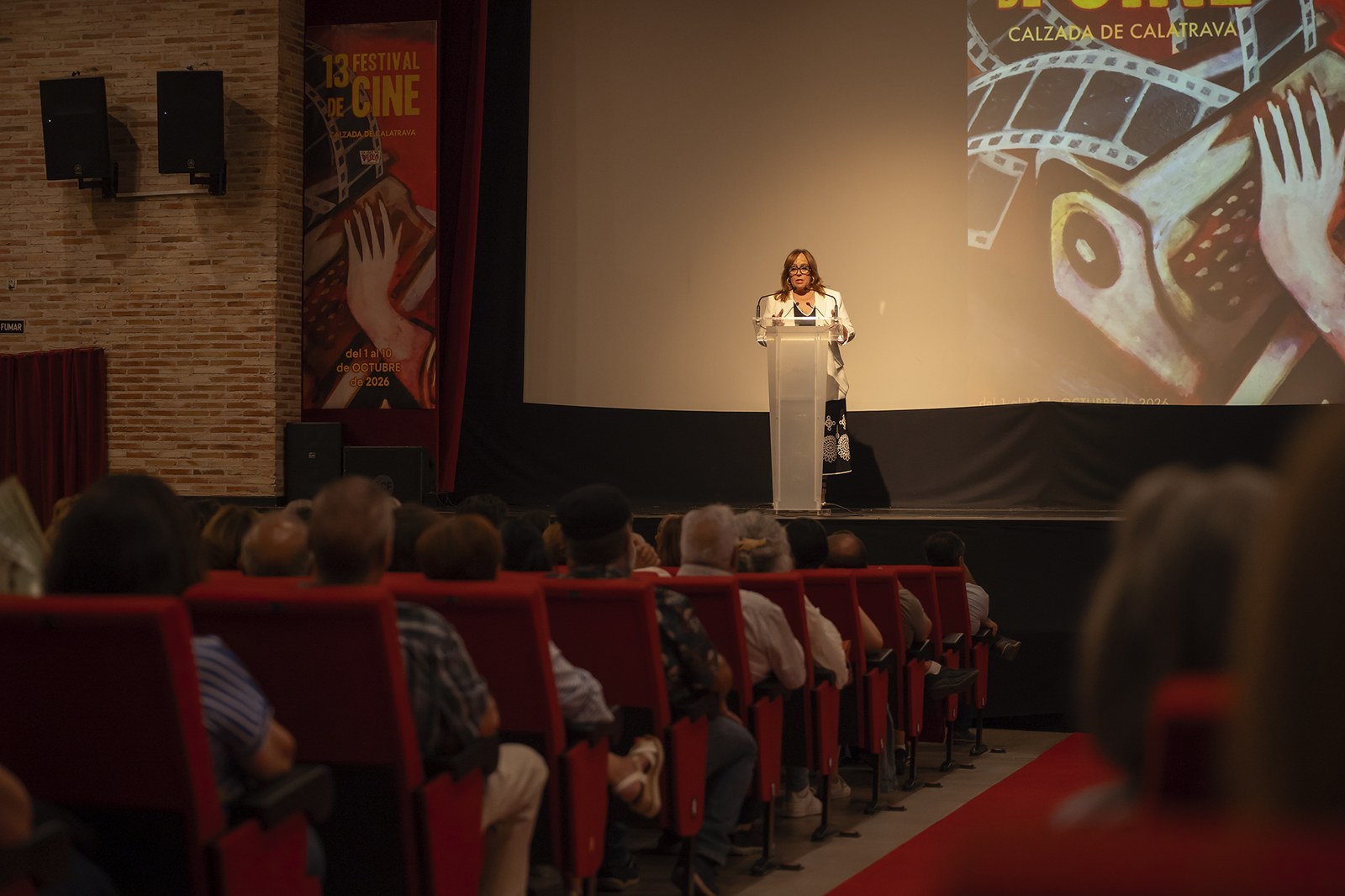
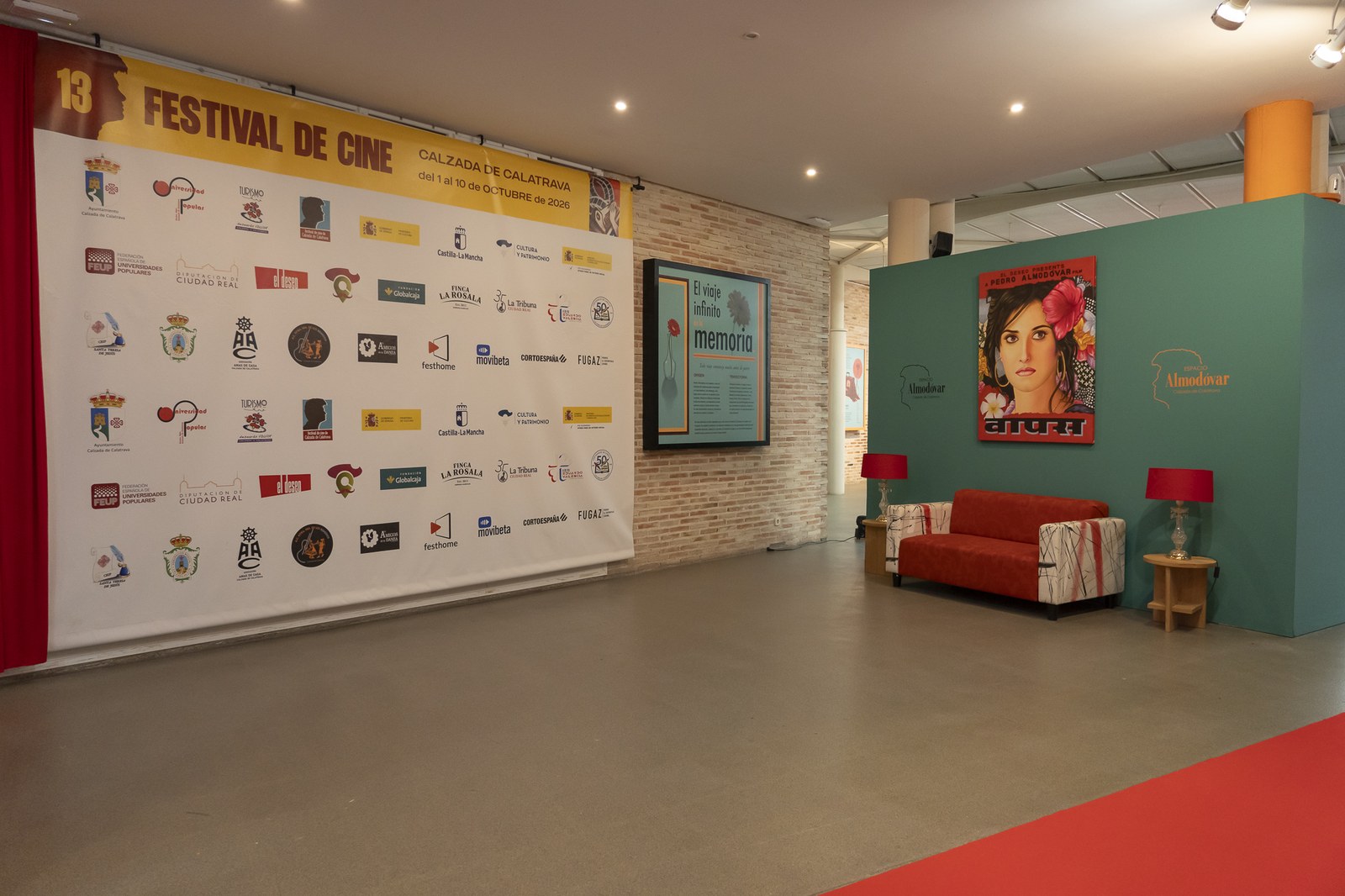
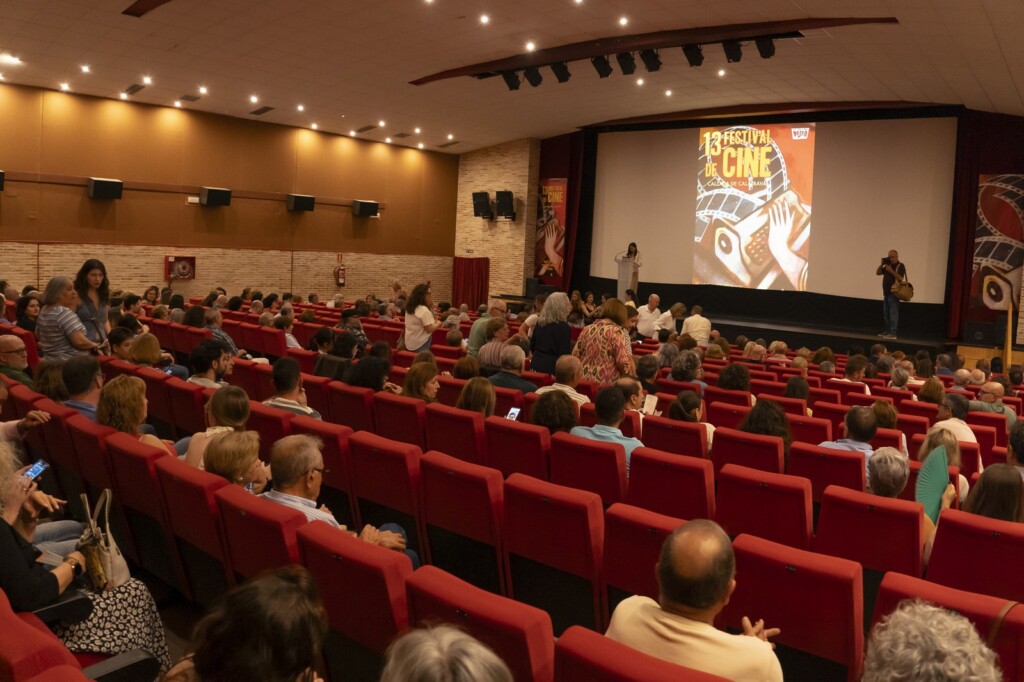
Calzada de Calatrava, 2 October 2026. Calzada de Calatrava kicked off the thirteenth edition of its Film Festival yesterday with a full house at the Rafael Serrano Cultural Centre. All tickets were sold out for the opening ceremony and the subsequent screening of ‘La bola negra’, one of the most successful films of the moment. The festival will run until 10 October with a wide-ranging programme that includes national and regional short films, as well as national feature films, alongside various side events that will allow the public to immerse themselves fully in the film industry.
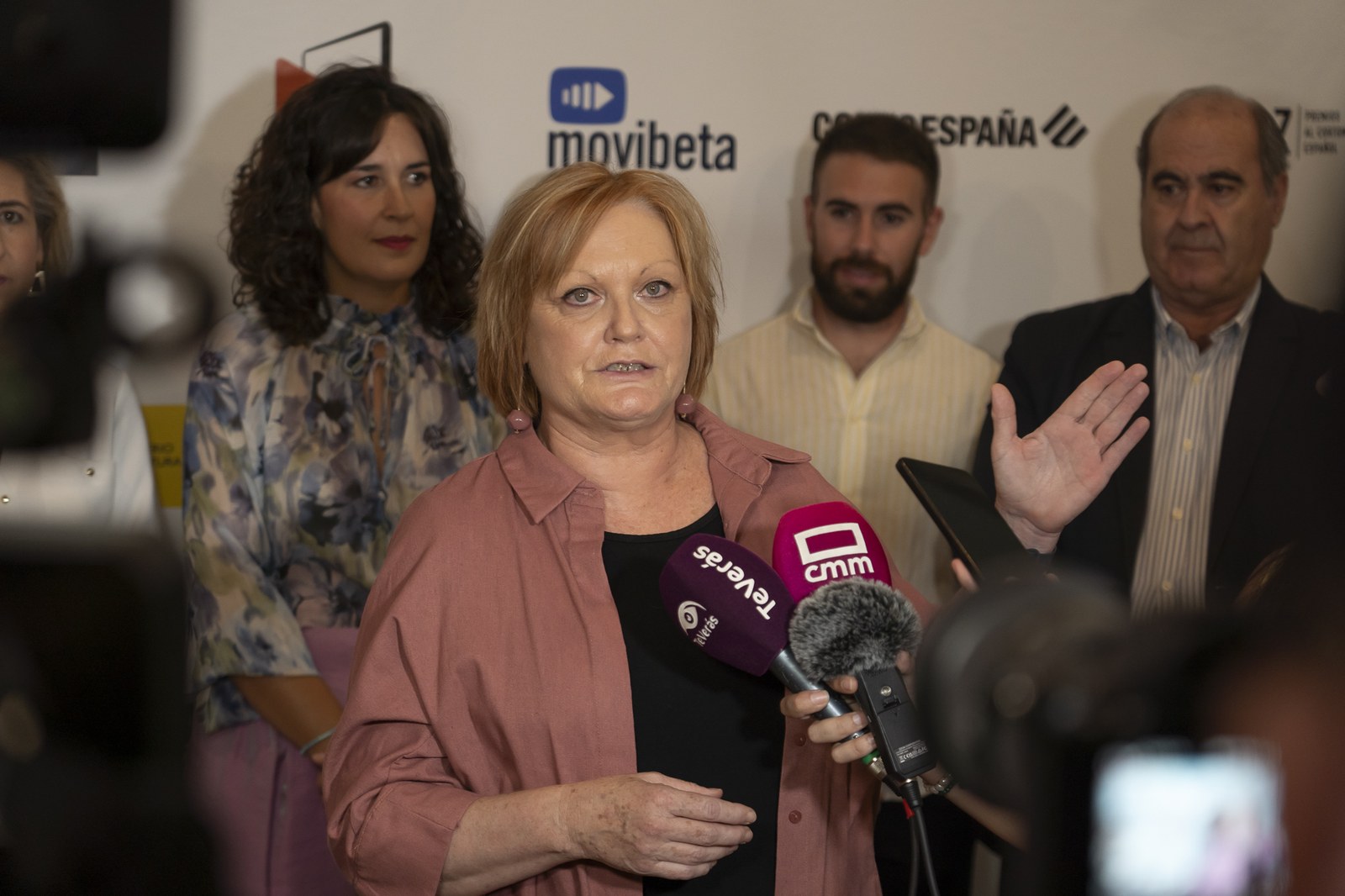
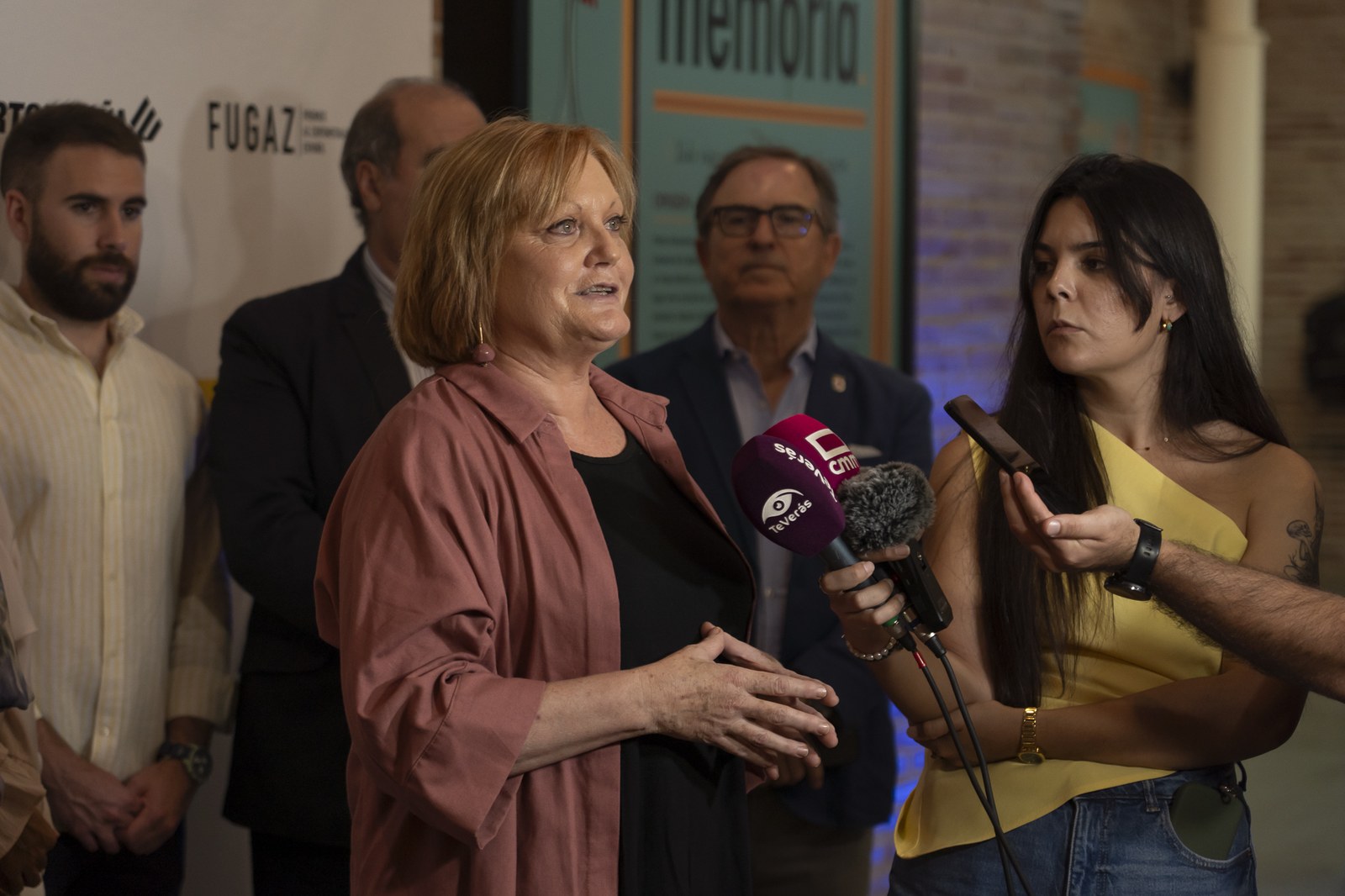
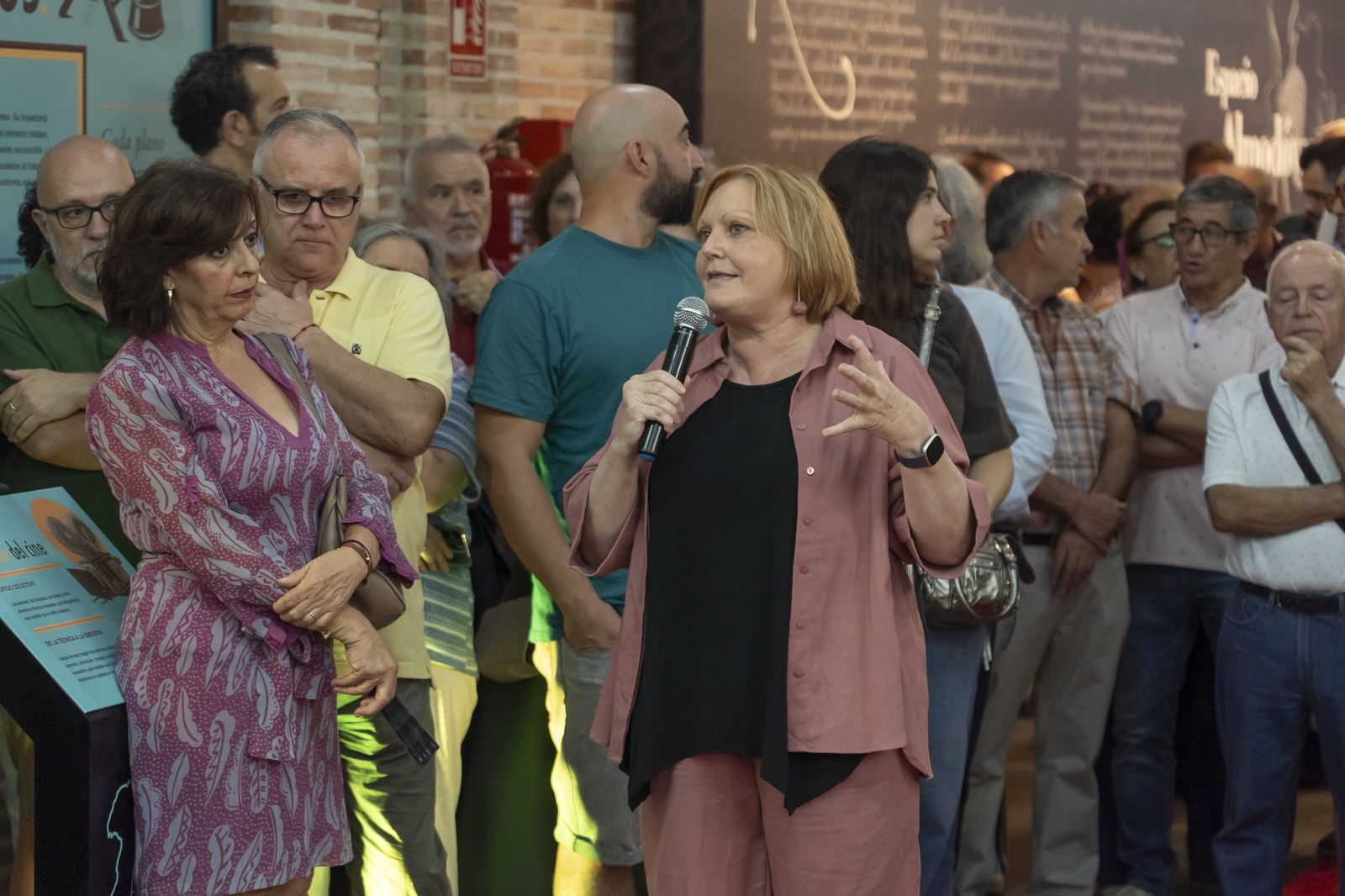
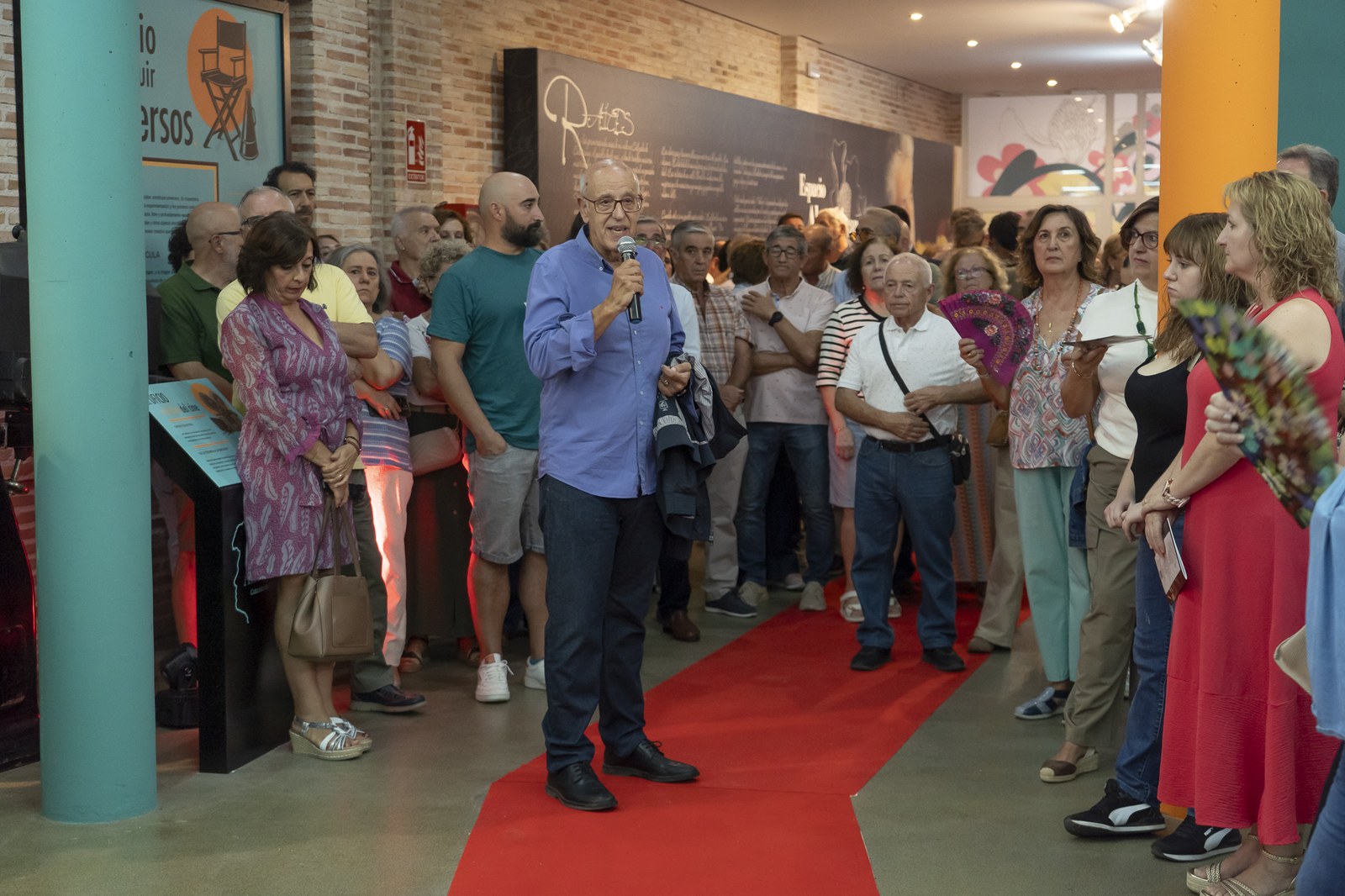
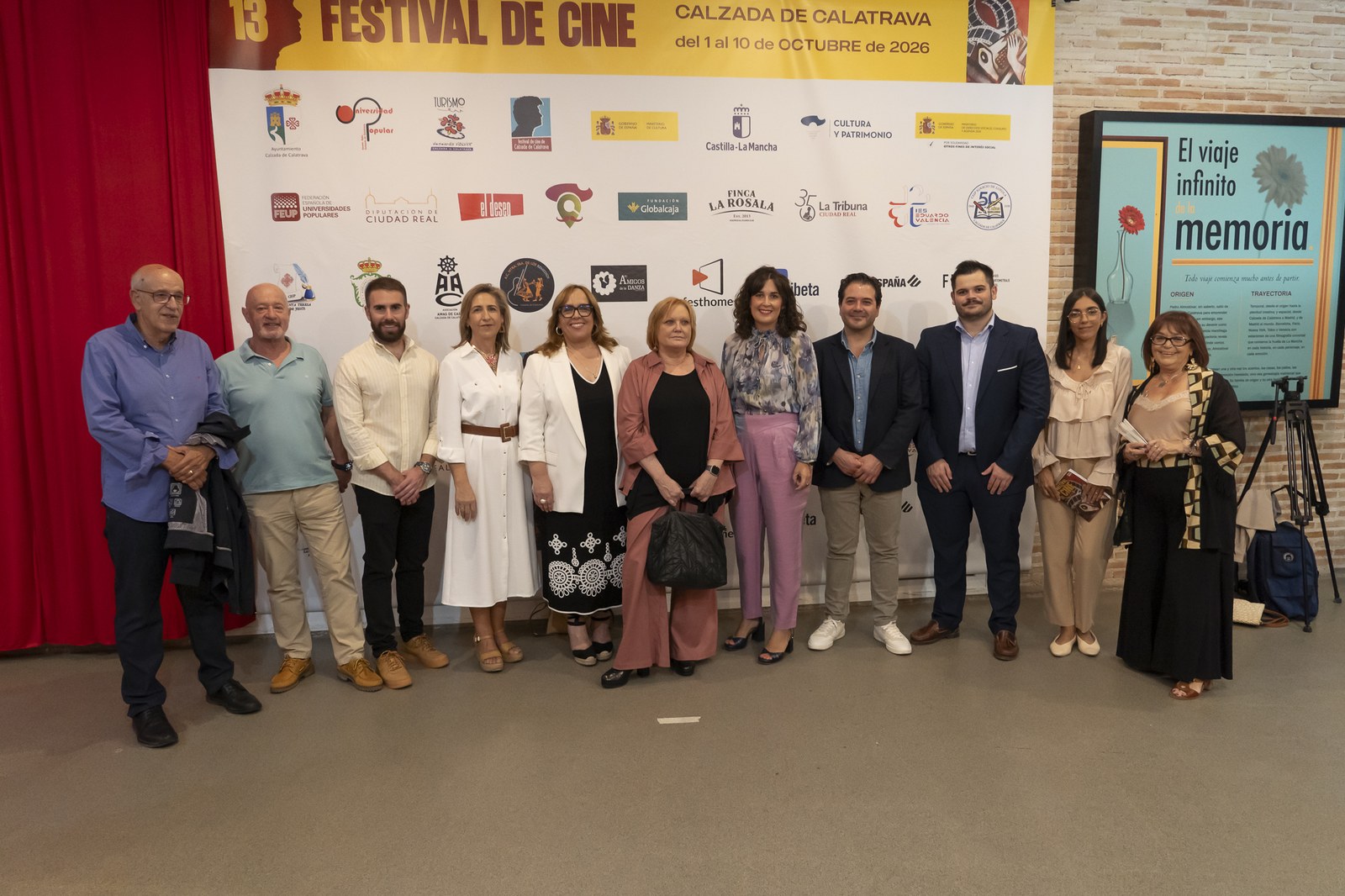
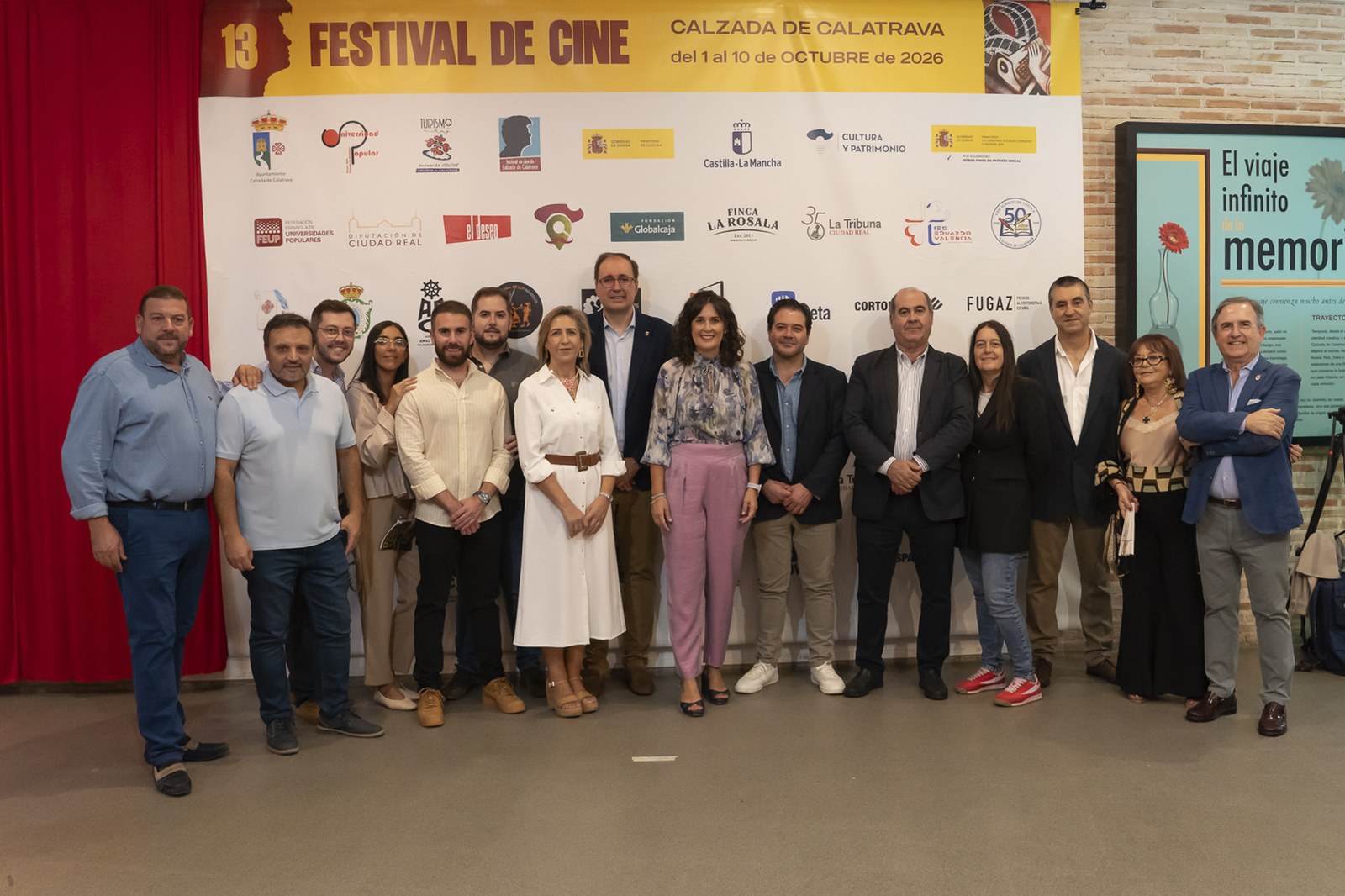
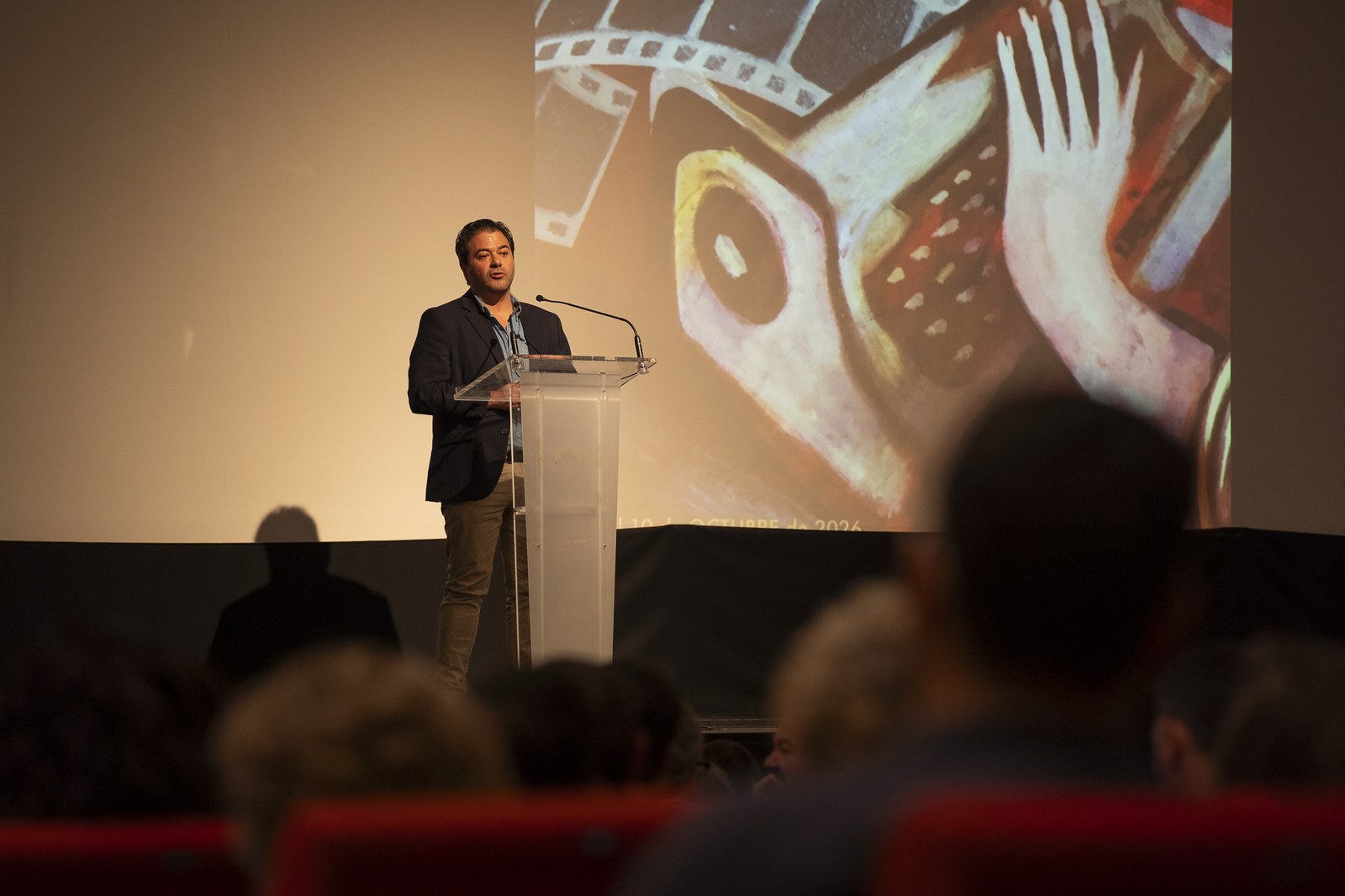
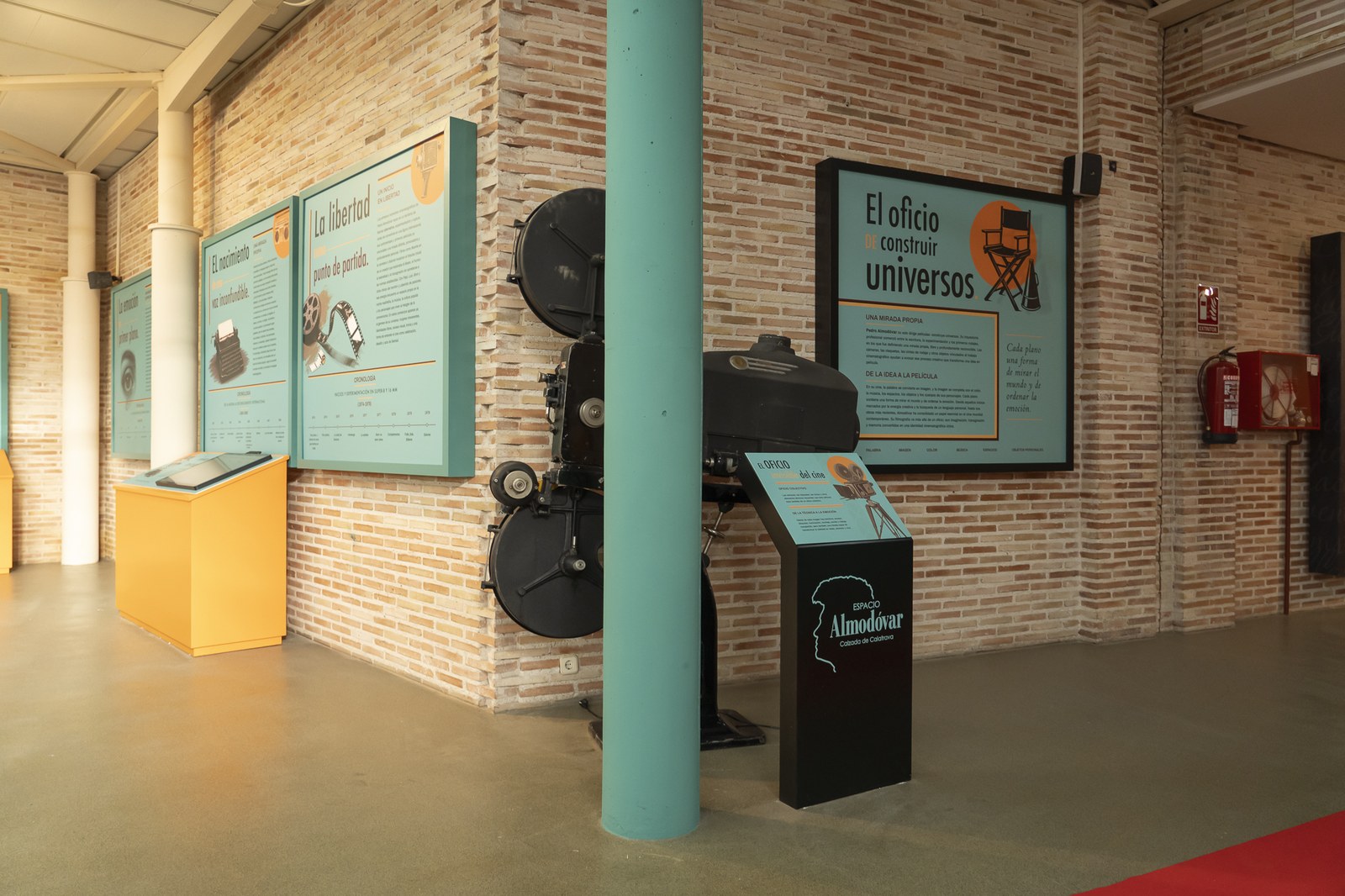
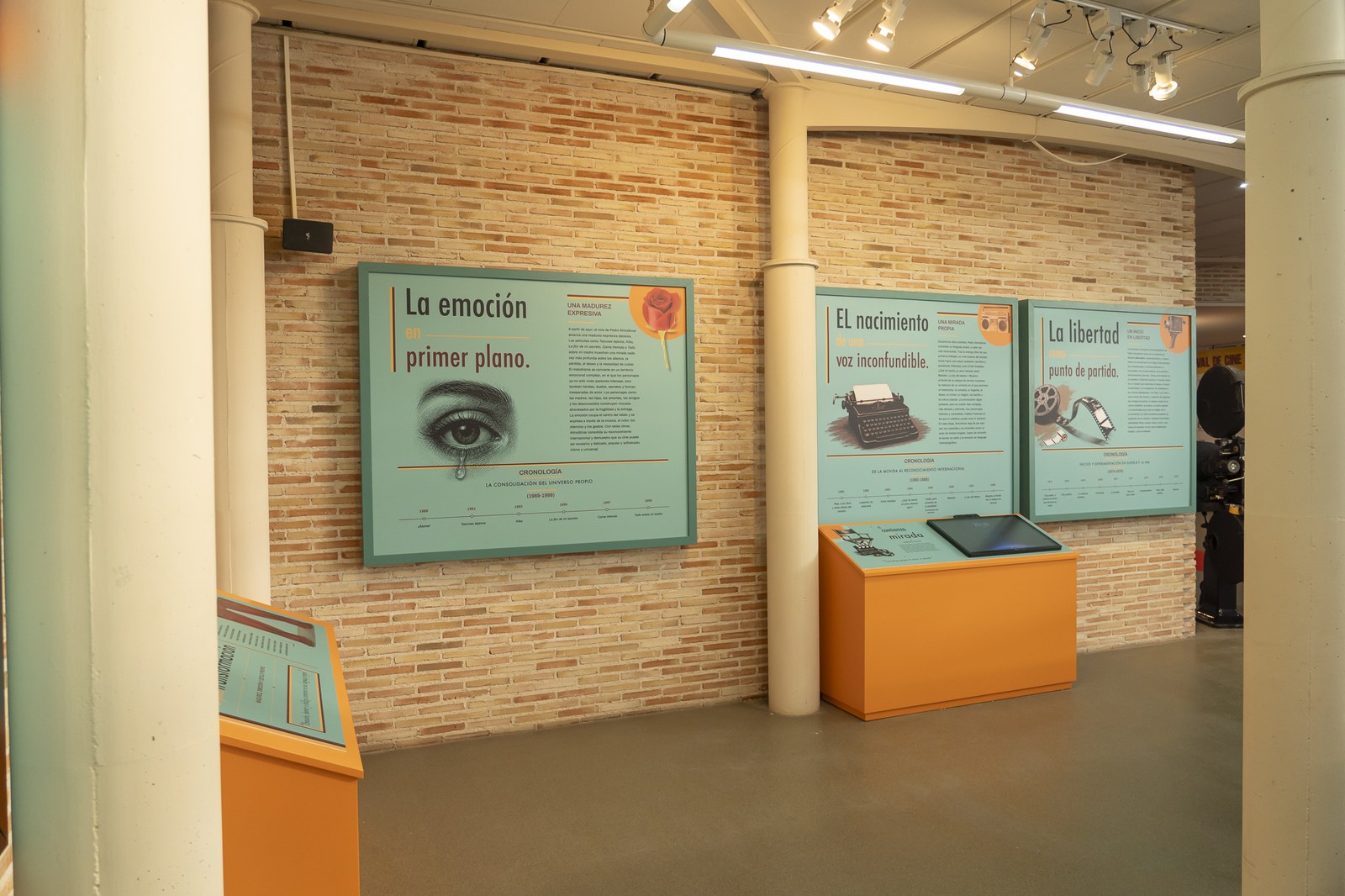
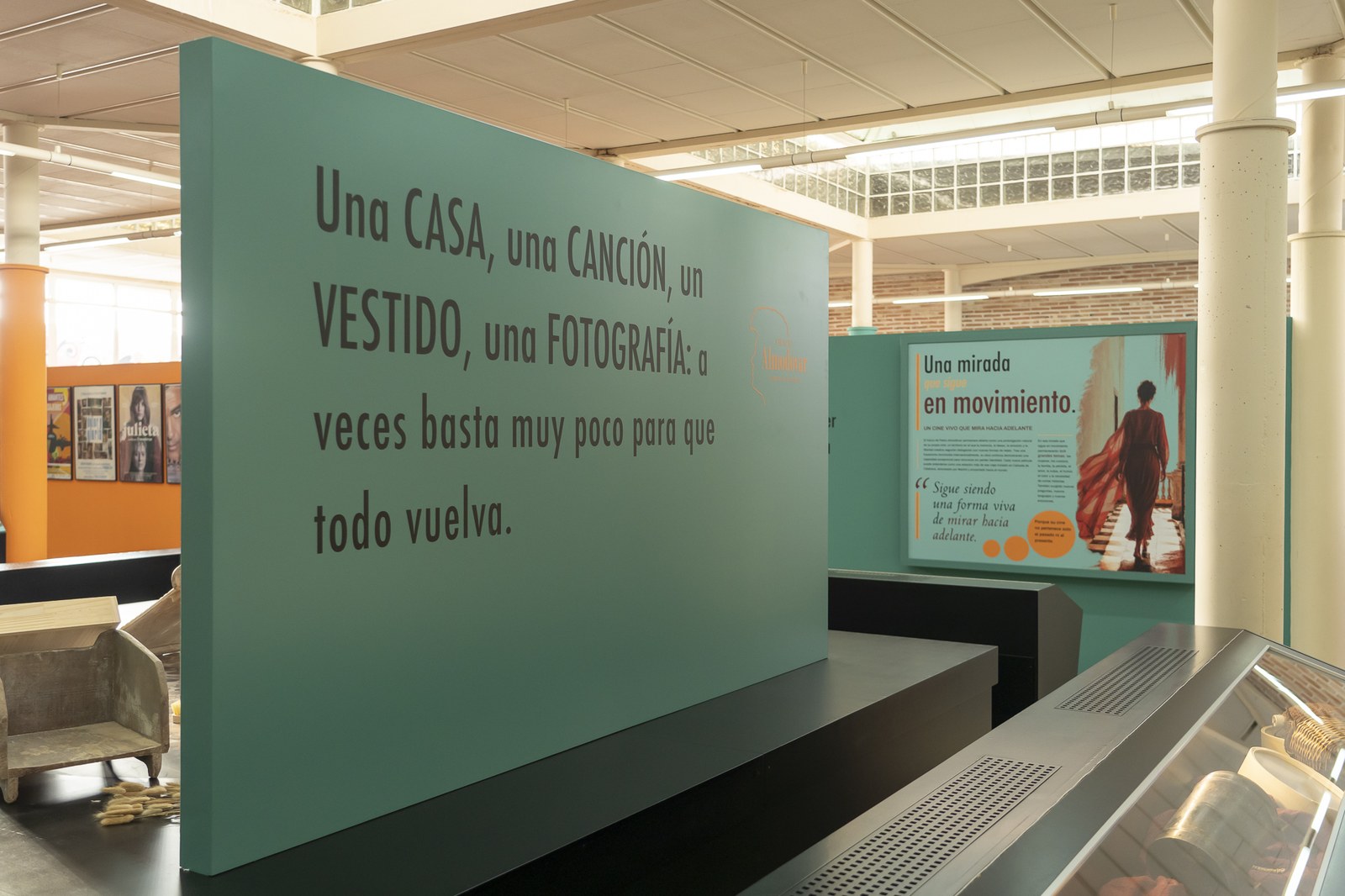
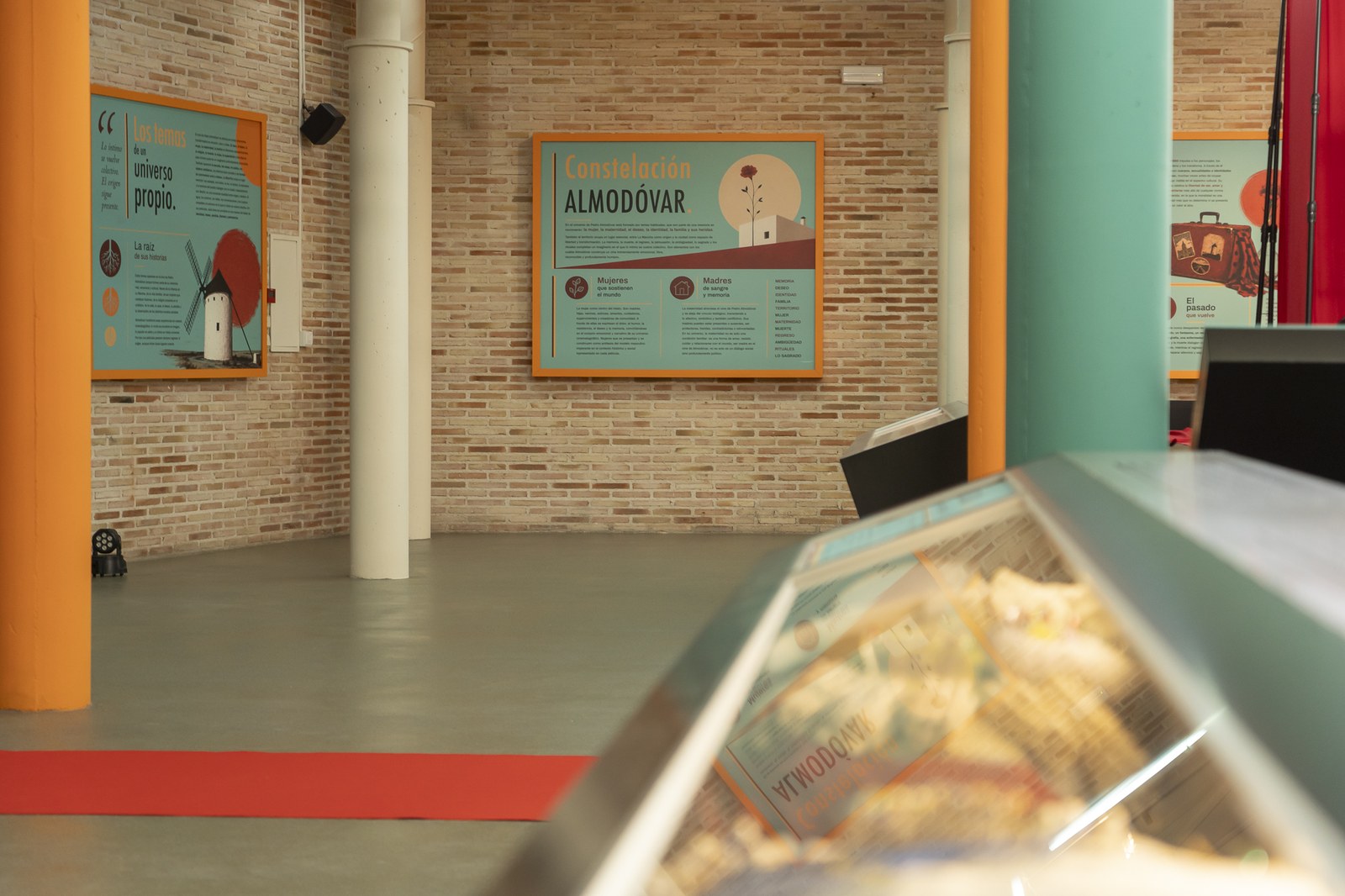
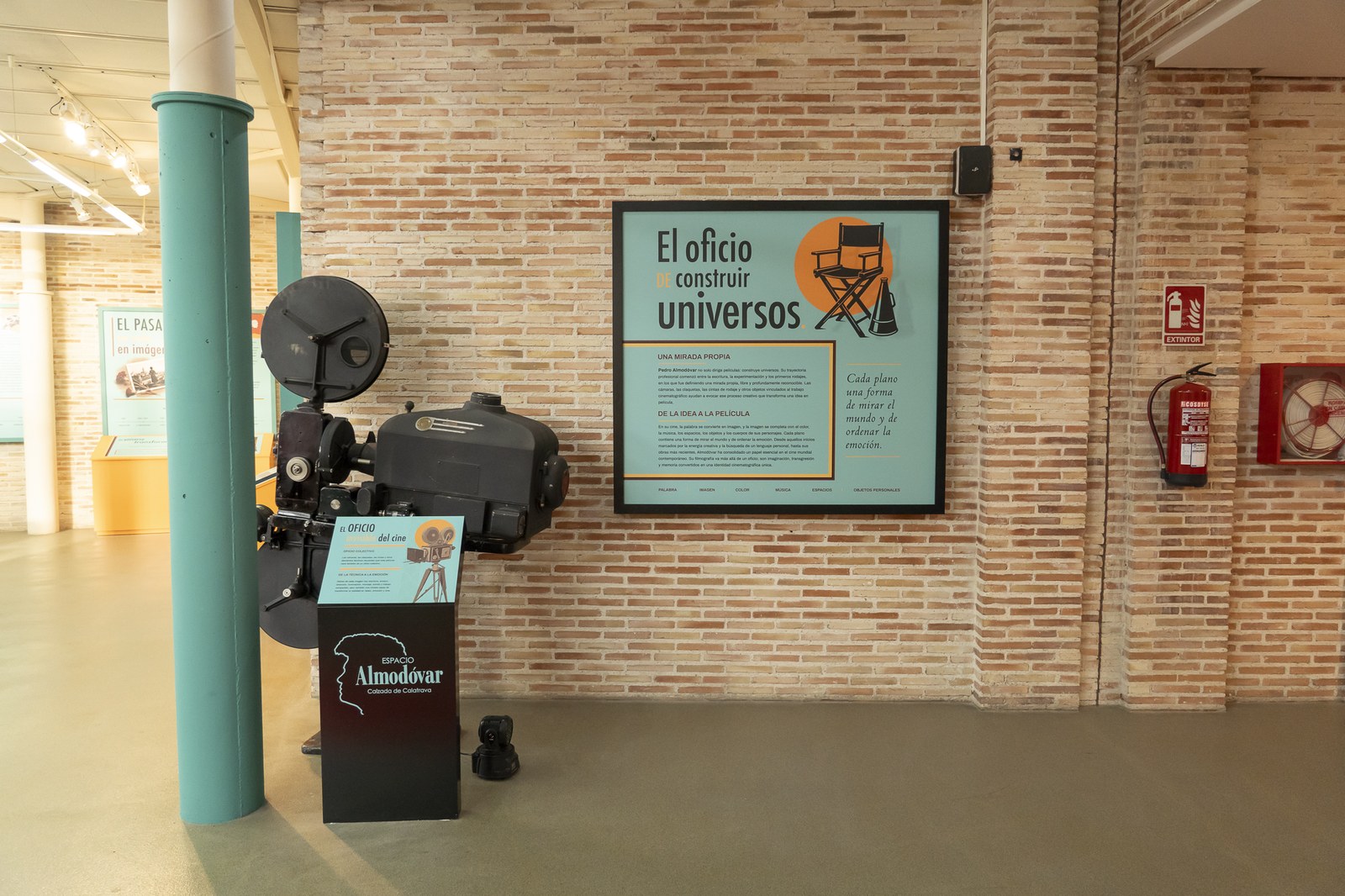
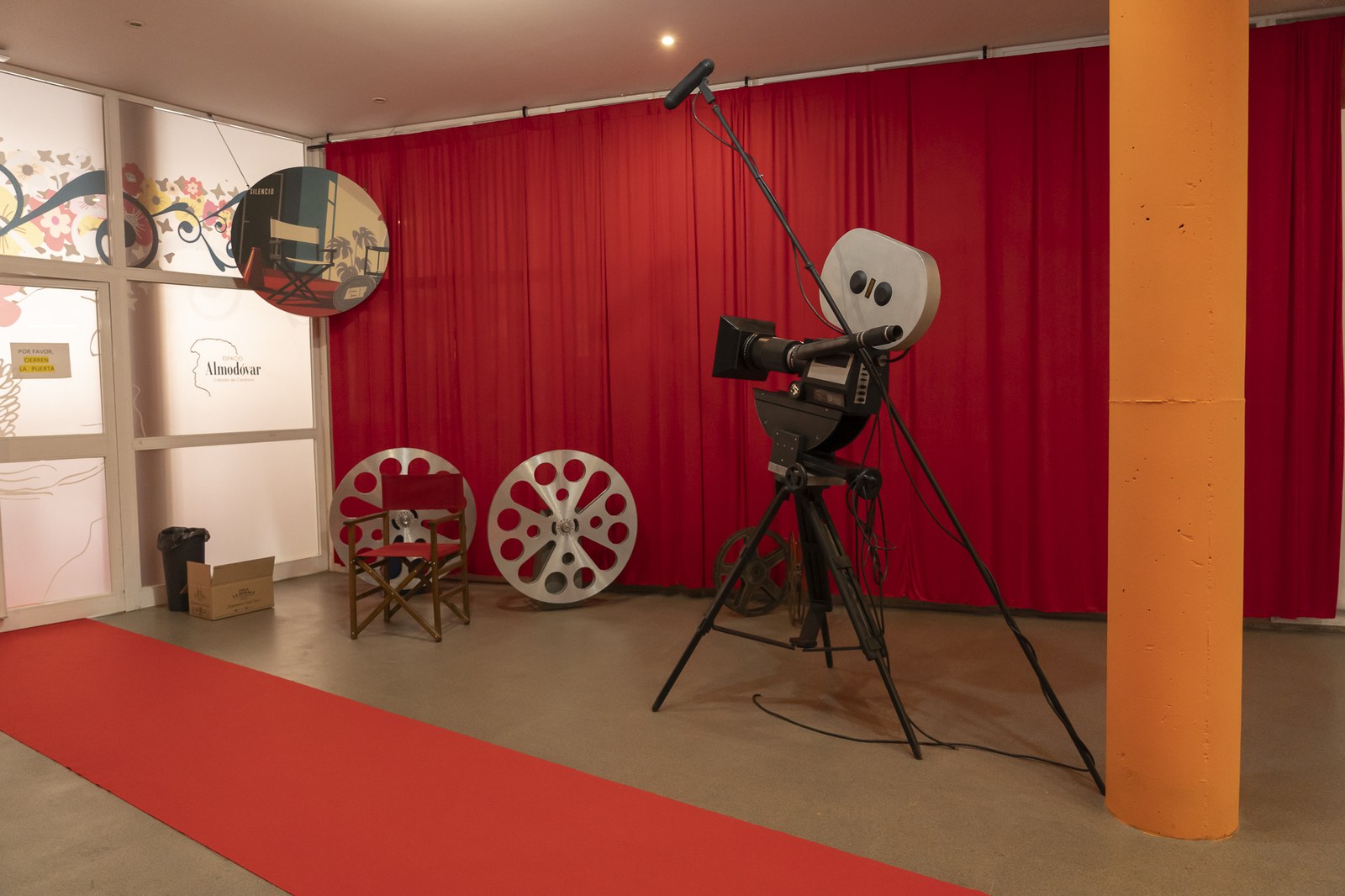
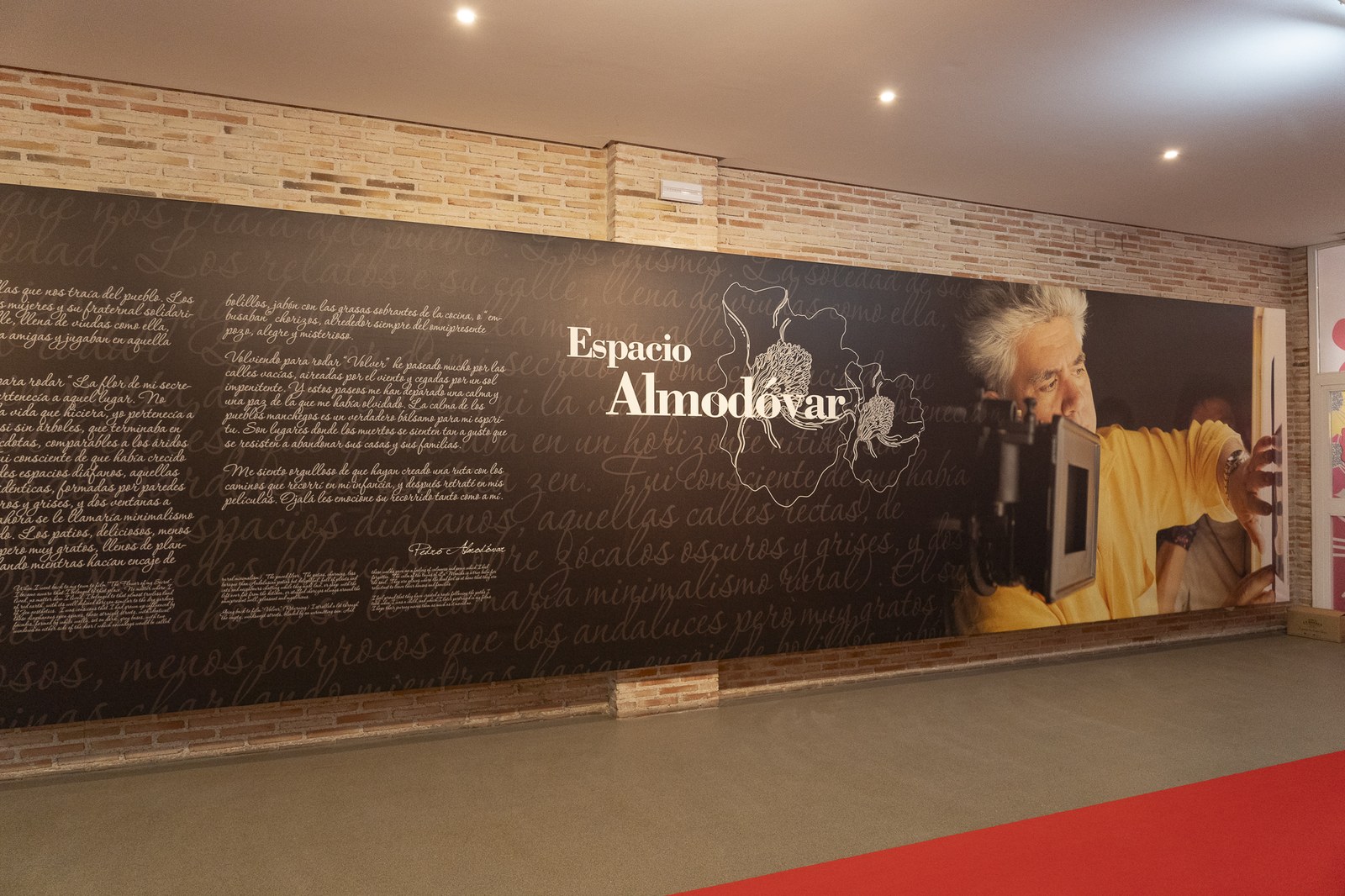
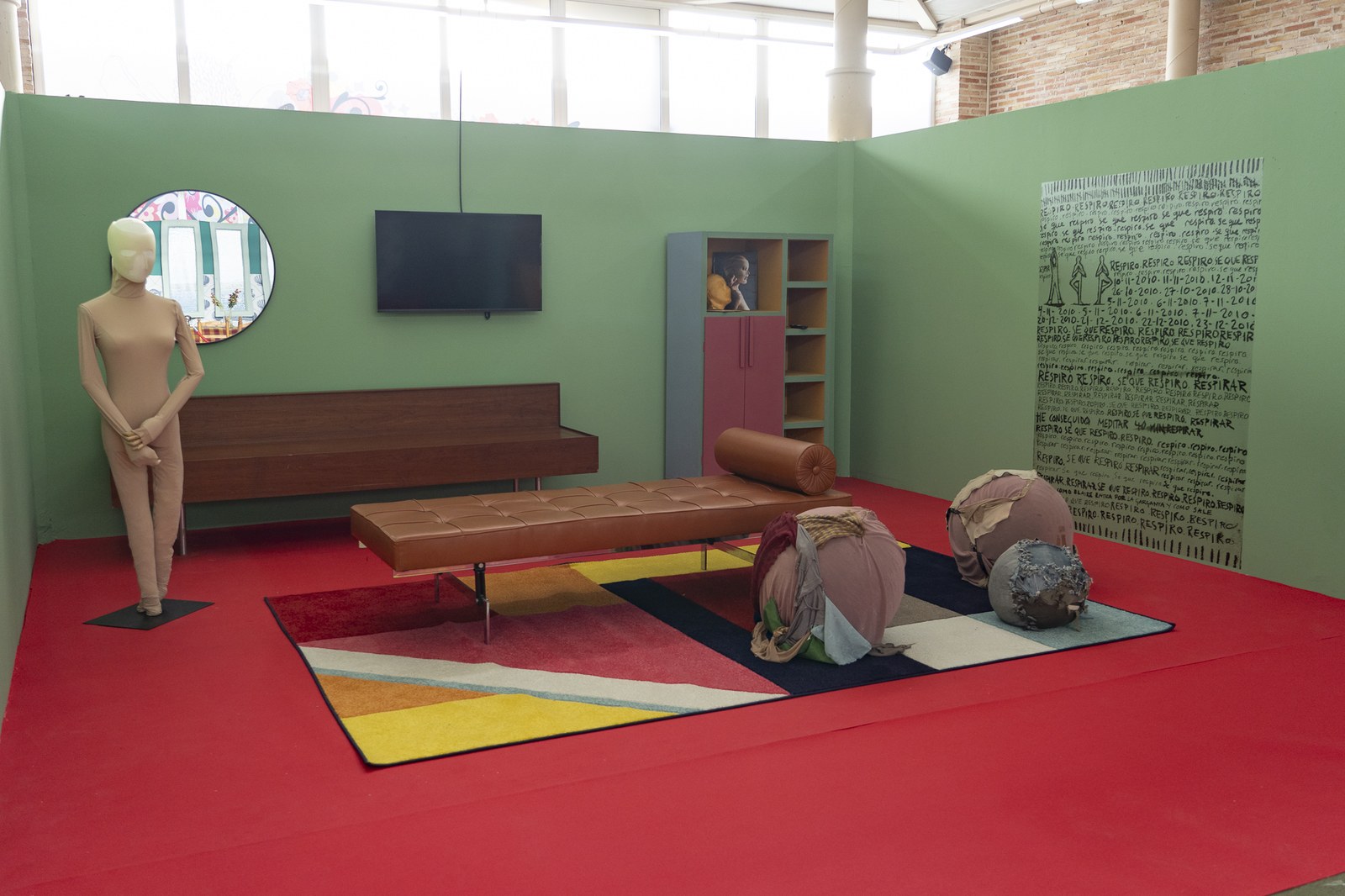
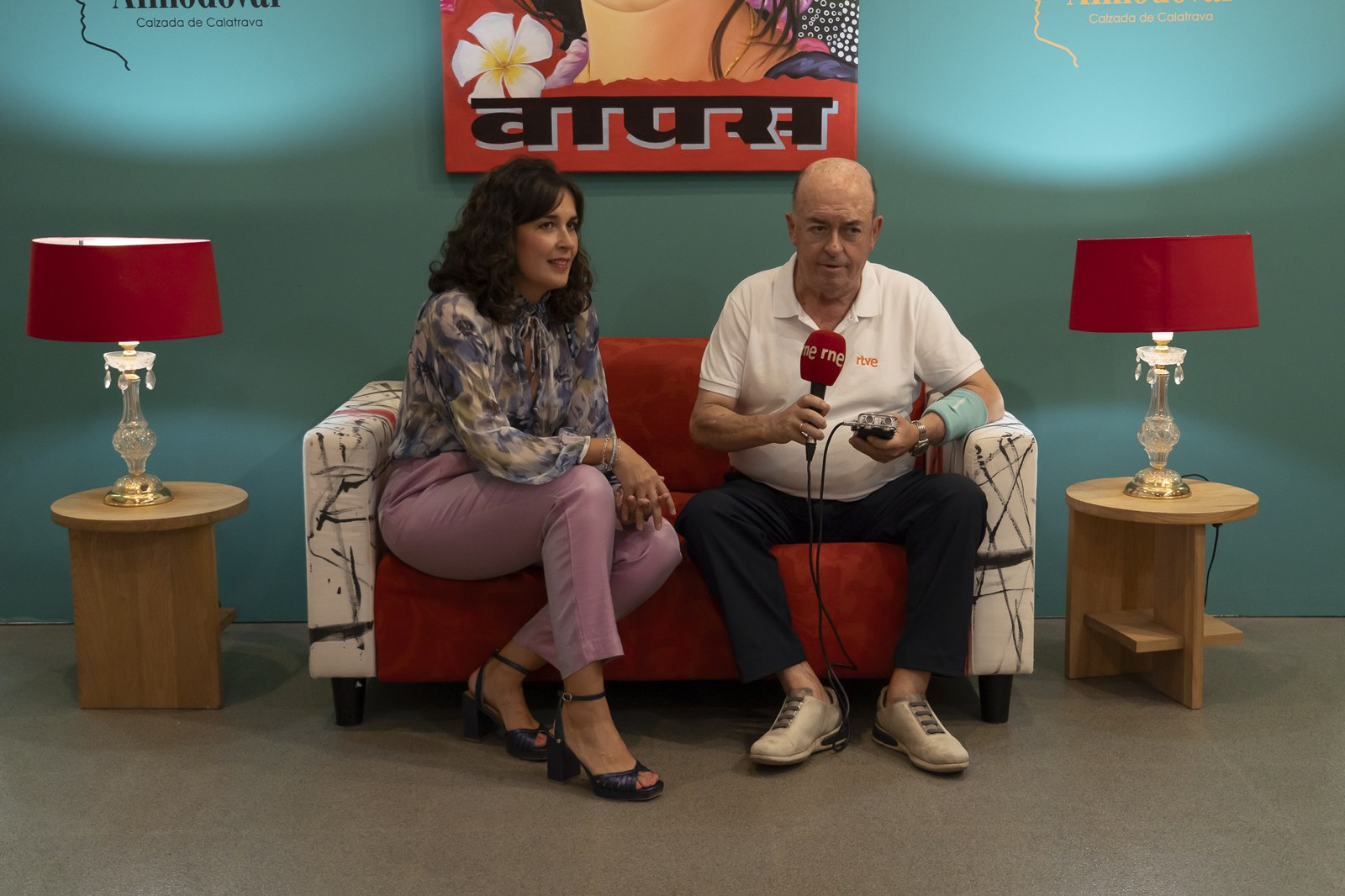
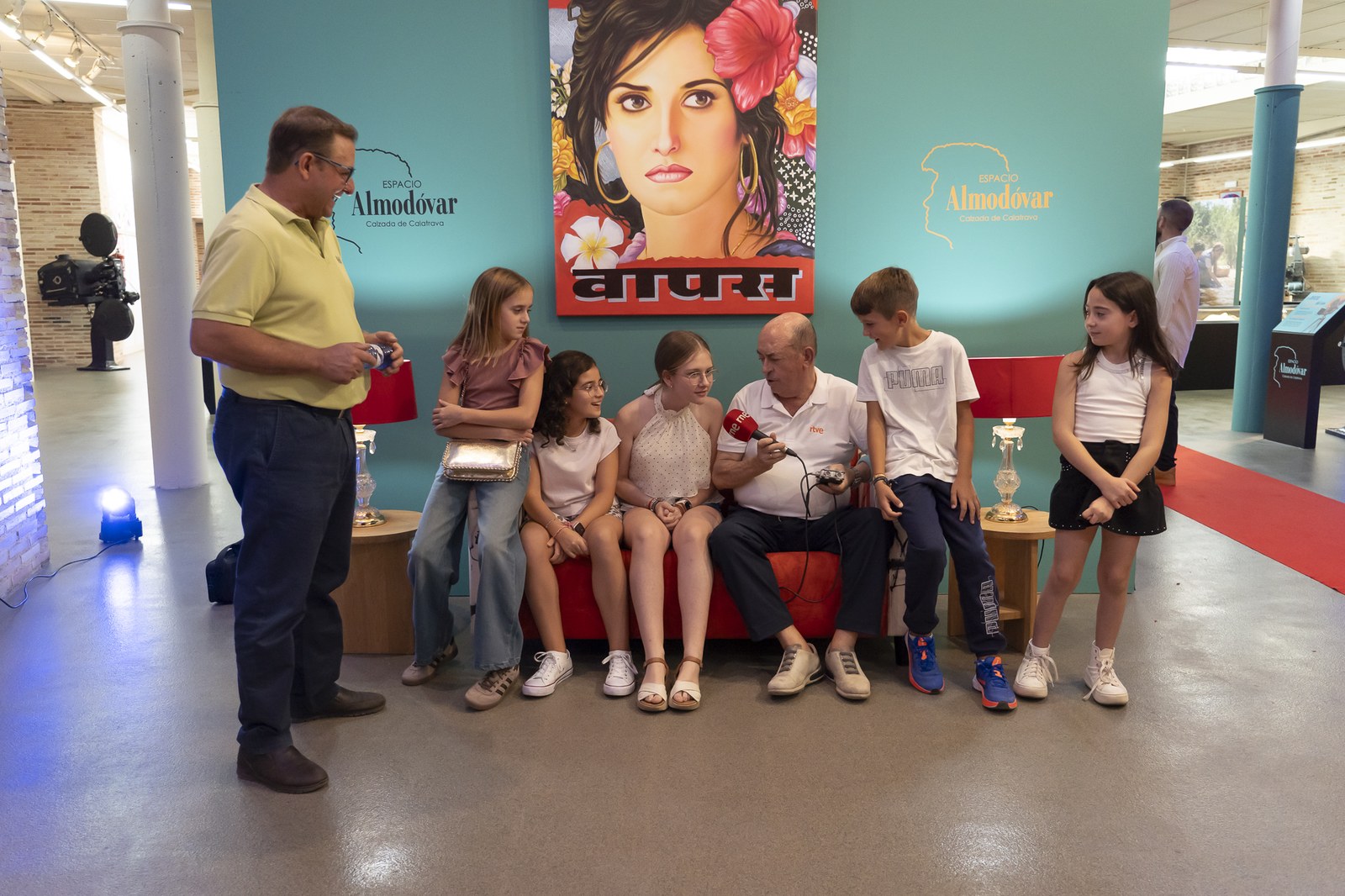
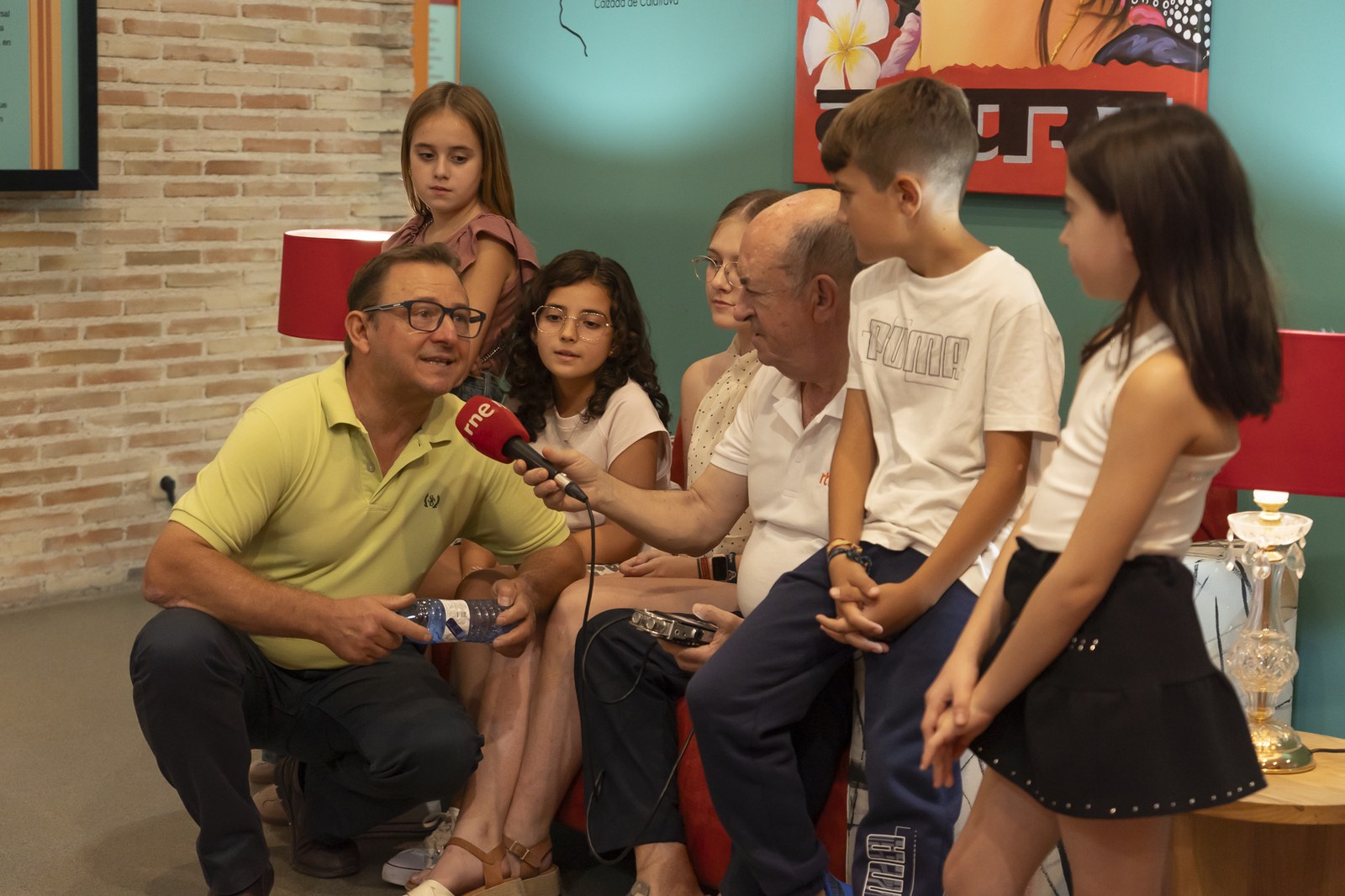
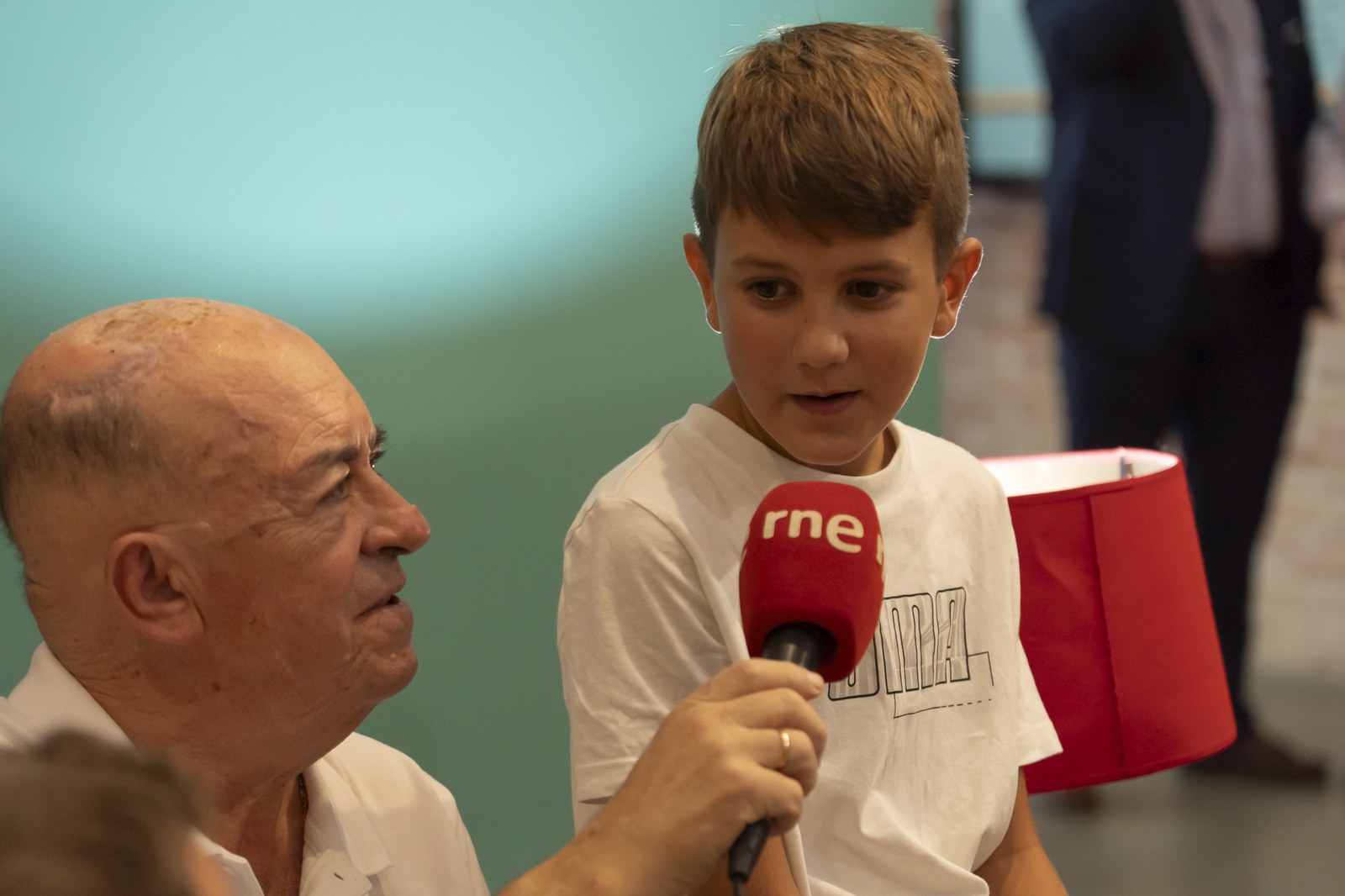
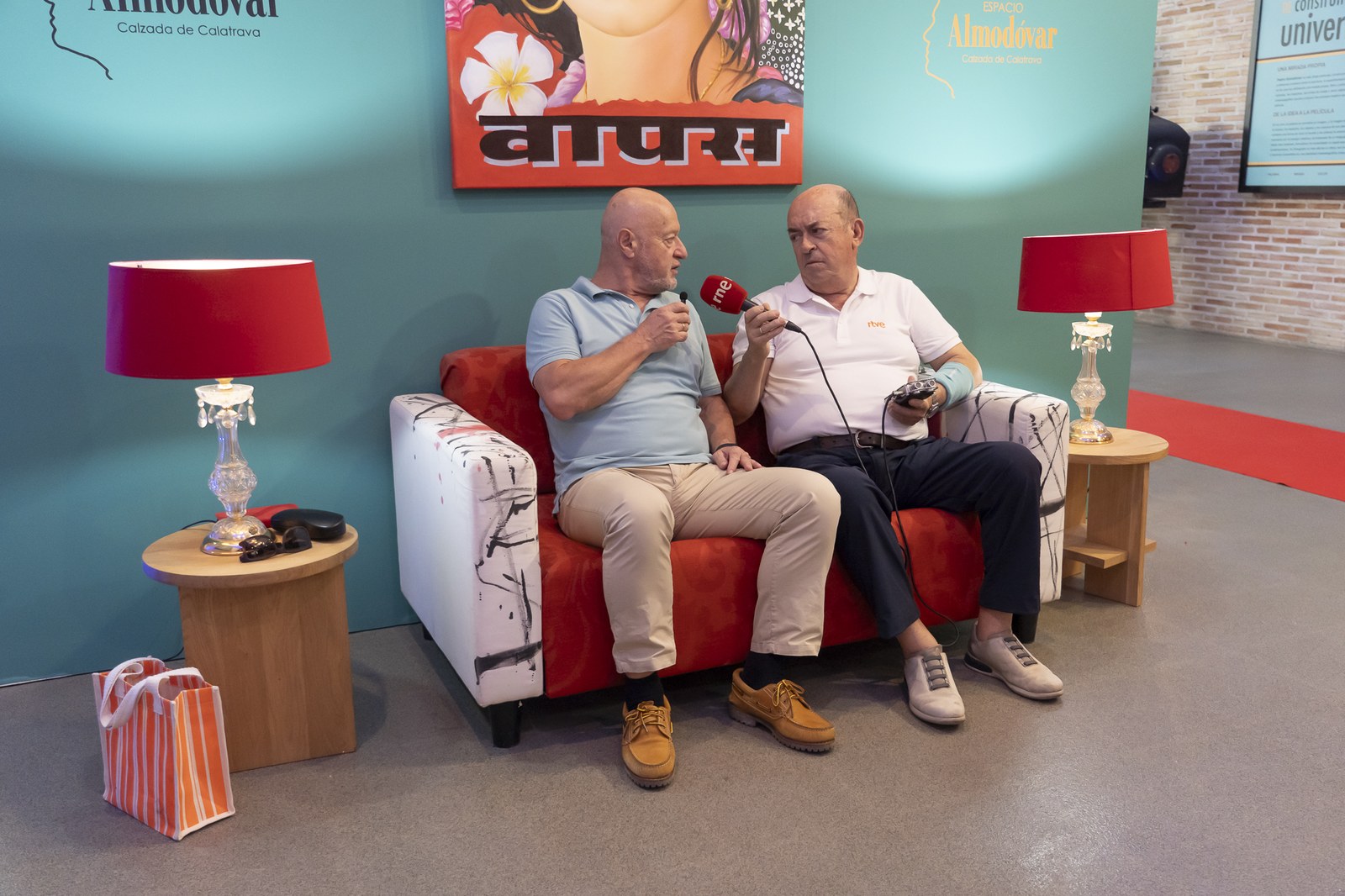
Before the festival opened, the authorities unveiled the refurbished Espacio Almodóvar, also located at the Rafael Serrano Cultural Centre. This space pays tribute to the brothers Pedro and Agustín Almodóvar. The events were attended by the mayor of Calzada de Calatrava, Gema García; the Regional Government’s Deputy Minister for Culture, Carmen Teresa Olmedo; the president of the Association for the Development of Campo de Calatrava and mayor of Pozuelo de Calatrava, David Triguero; and the festival director, Hernán Valdés. Councillors and mayors from the region were also in attendance.
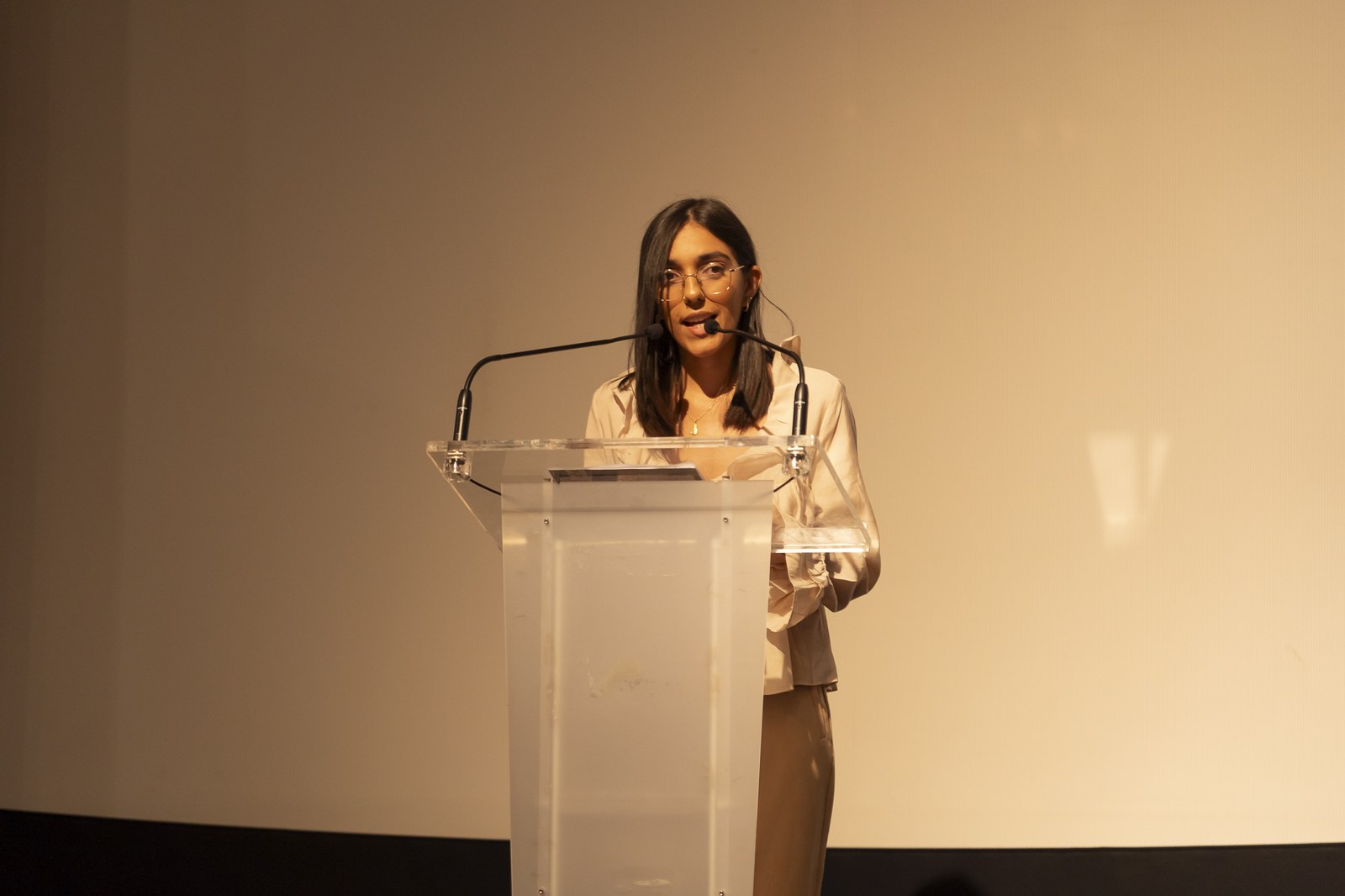
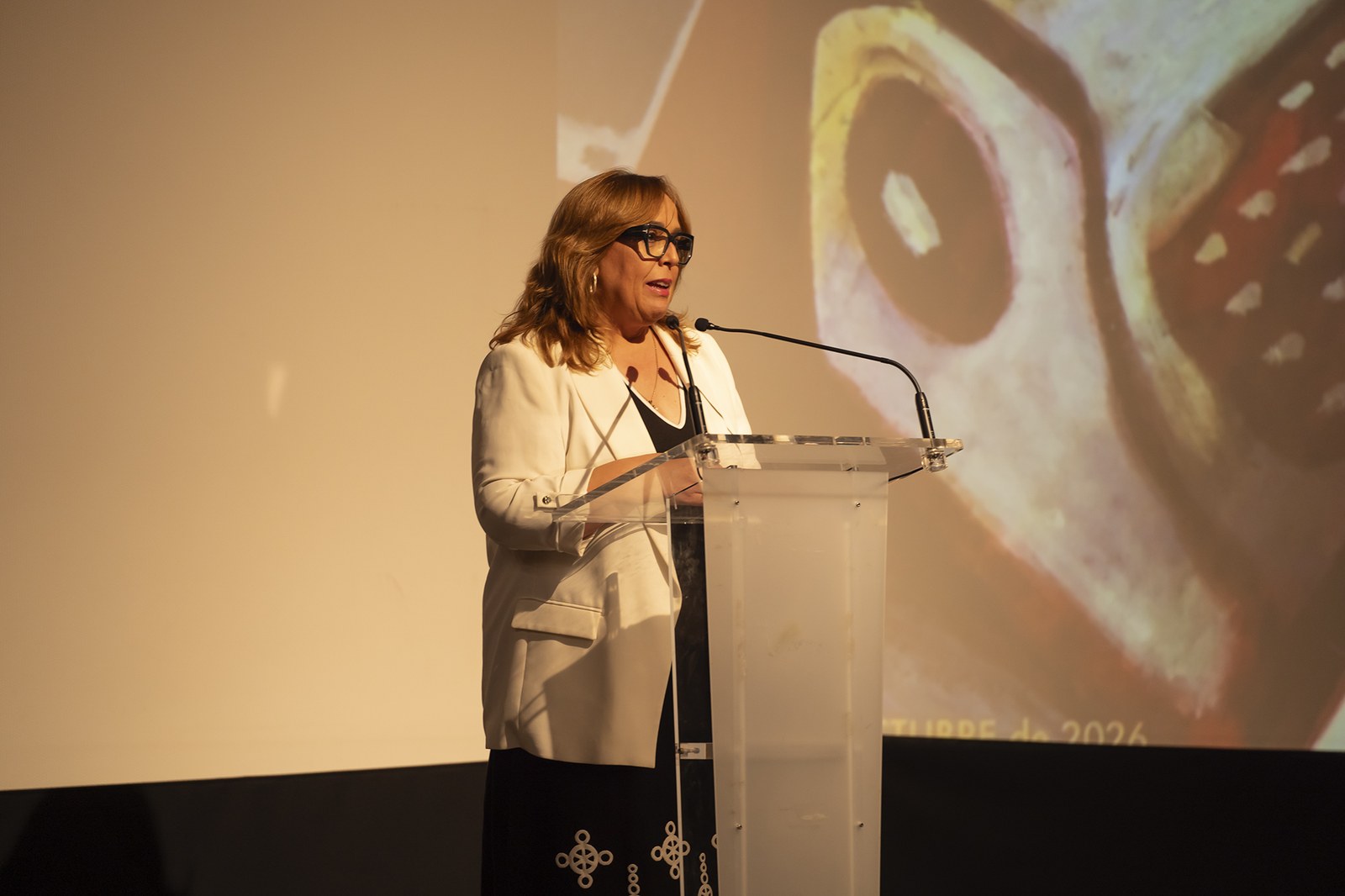
The mayor, Gema García, highlighted the festival’s history. “What began as a dream 14 years ago has become a nationally recognised festival and one of the most established festivals in Castilla-La Mancha,” she said.
García also referred to the refurbishment of the Espacio Almodóvar. She described it as “a living tribute to the Almodóvar brothers, Pedro and Agustín”, adding that “this venue has become a reality thanks to the support of the production company El Deseo and the Almodóvar family”. The mayor explained that the funding comes from LEADER Funds, the result of the “regional work” carried out by the Association for the Development of Campo de Calatrava.
David Triguero congratulated the Town Council and its mayor on their “strong commitment to the cultural sector”. He revealed that the Association will mobilise more than 3 million euros within the current financial framework, with the aim of boosting the region’s development. “We believe that culture has a significant role to play in that development,” he noted. Triguero explained that one of the Association’s areas of focus is supporting local councils in the creation of interpretation centres and cultural spaces. “The Espacio Almodóvar not only complements the municipality of Calzada, but also enriches us at a regional level,” he said. He noted that the refurbished centre, “with a 21st-century look”, forms part of a wider regional network. This network includes the volcanic water interpretation centre at La Inesperada, Cerro Gordo, and the oil and wine interpretation centre in Campo de Calatrava.
The Association’s president also praised the decision to move the festival from summer to autumn. “This festival used to be held in the height of summer, precisely when municipalities have the most festivities and the most visitors. Now we welcome the festival in October and believe it is a great move to continue our commitment to seasonality, so that all the municipalities in the Campo de Calatrava can attract visitors all year round”, he emphasised.
Support from the regional government
The Deputy Regional Minister for Culture, Carmen Teresa Olmedo, congratulated the Town Council on the refurbishment of the Espacio Almodóvar. She highlighted that the new museum project “incorporates sets from more recent films, which did not exist when it was first opened, and brings us much closer to the world of Almodóvar”.
Regarding the festival, Olmedo joked about the edition number. “For the superstitious, 13 is an unlucky number, but I am convinced that this festival will bring much joy and a very interesting cultural programme, not only for Calzada de Calatrava, but for the whole region,” she said. The Deputy Minister particularly highlighted the section dedicated to young talent from Castile-La Mancha. She pointed out that short films “are often the starting point for directors such as Juan Antonio Bayona or José Luis Cuerda”.
Olmedo outlined the regional government’s support for the audiovisual sector. In 2025, the regional government allocated nearly 300,000 euros to festivals such as the one in Calzada de Calatrava. Since the resumption of funding in 2019, it has invested nearly 3 million euros in 175 film projects. In addition, it has allocated nearly one million euros to modernising and digitising the region’s cinemas. “Cinema is a wonderful tool for social cohesion, education and, above all, creative freedom. It confronts us with who we are and allows us to discover realities far removed from our own region,” he concluded.
A journey through Almodóvar’s filmography
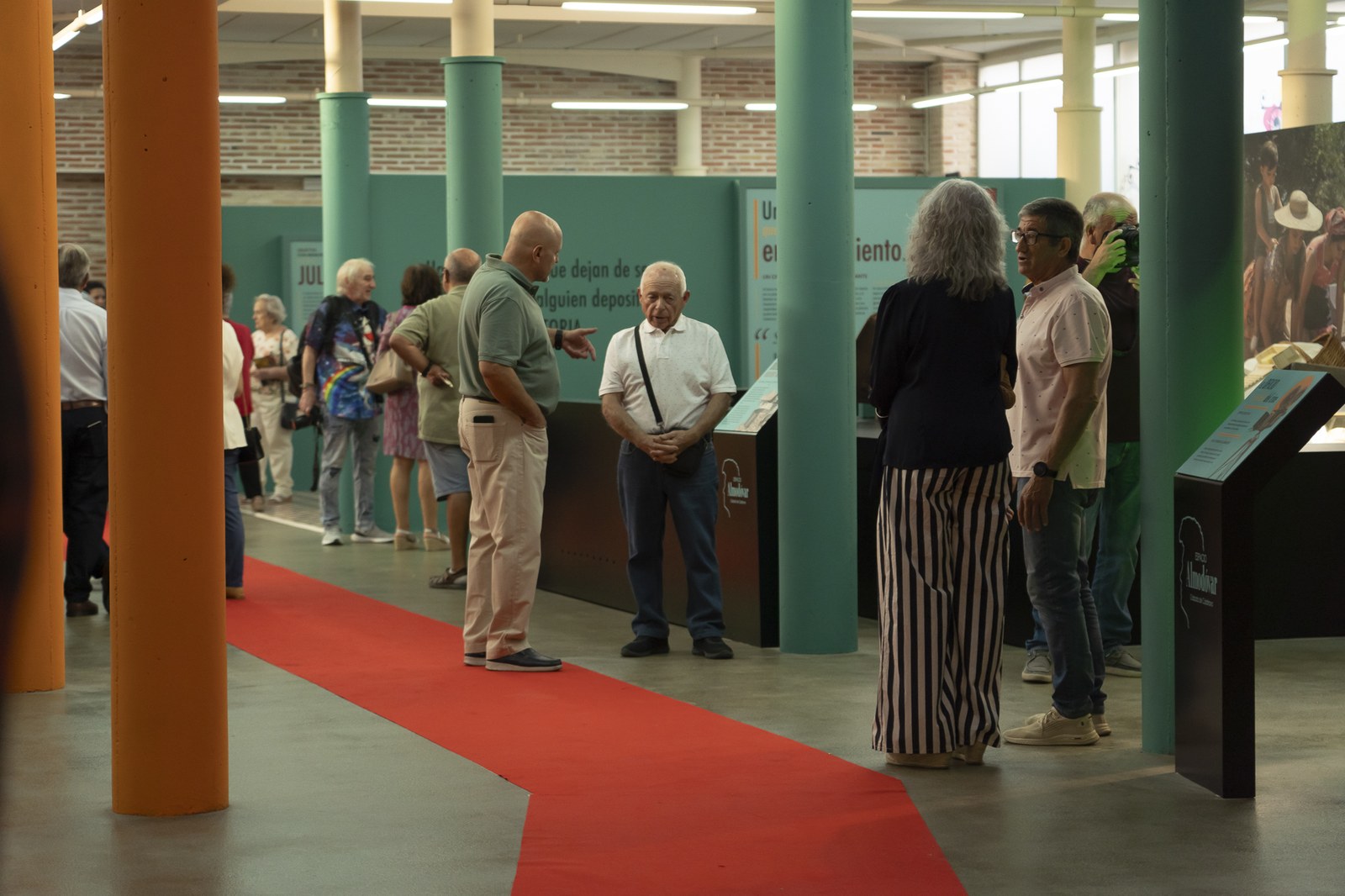
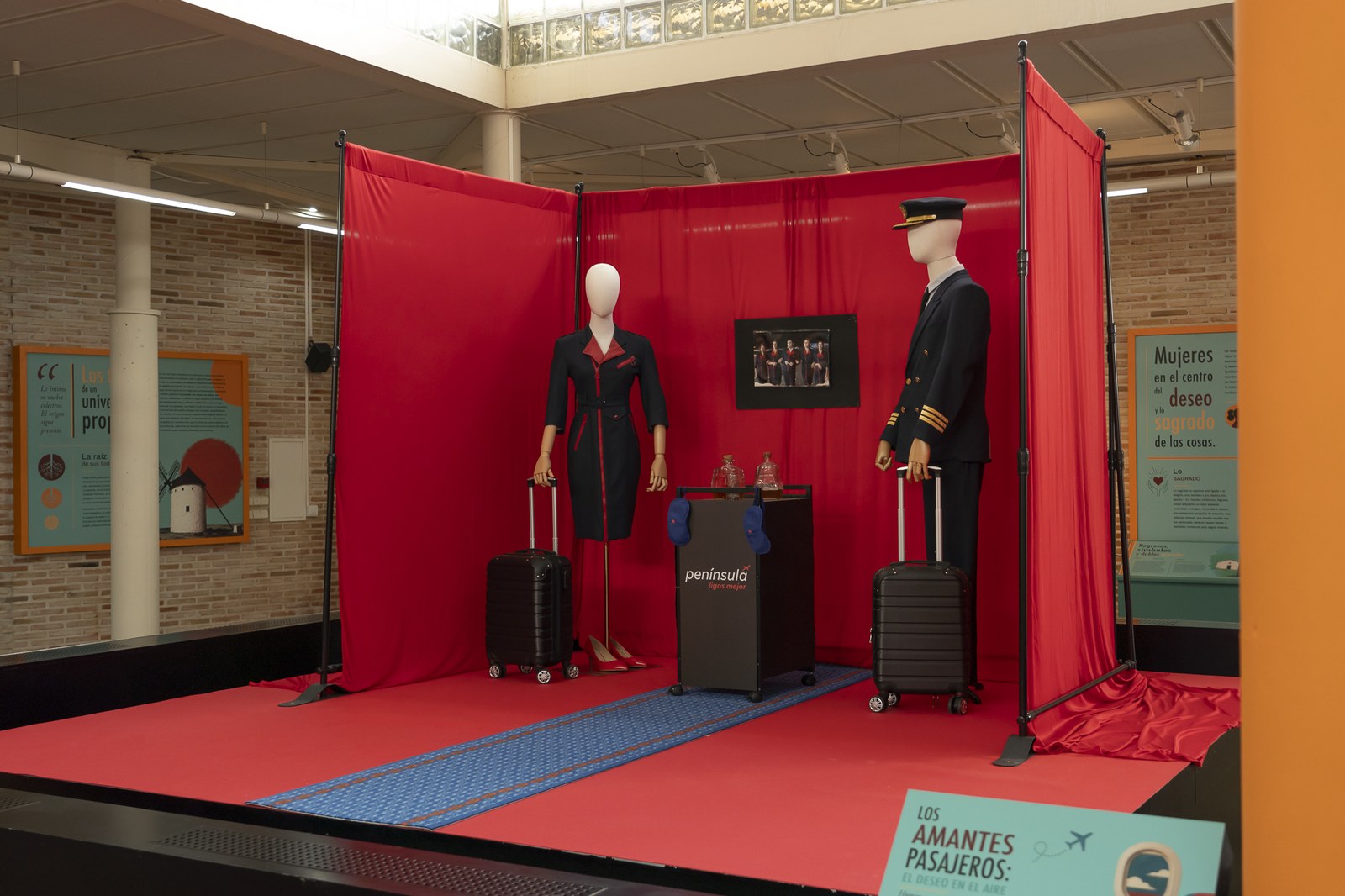
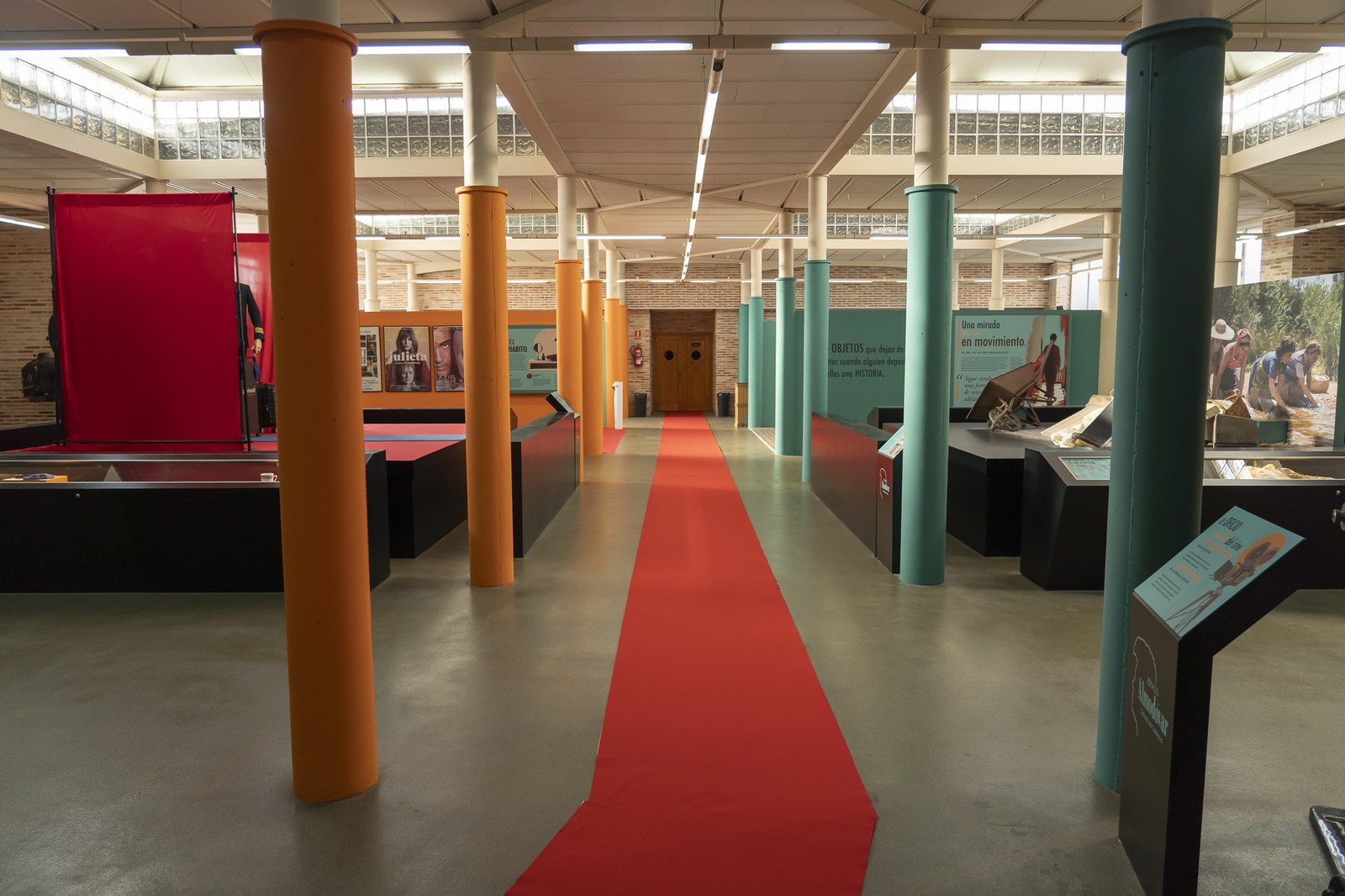
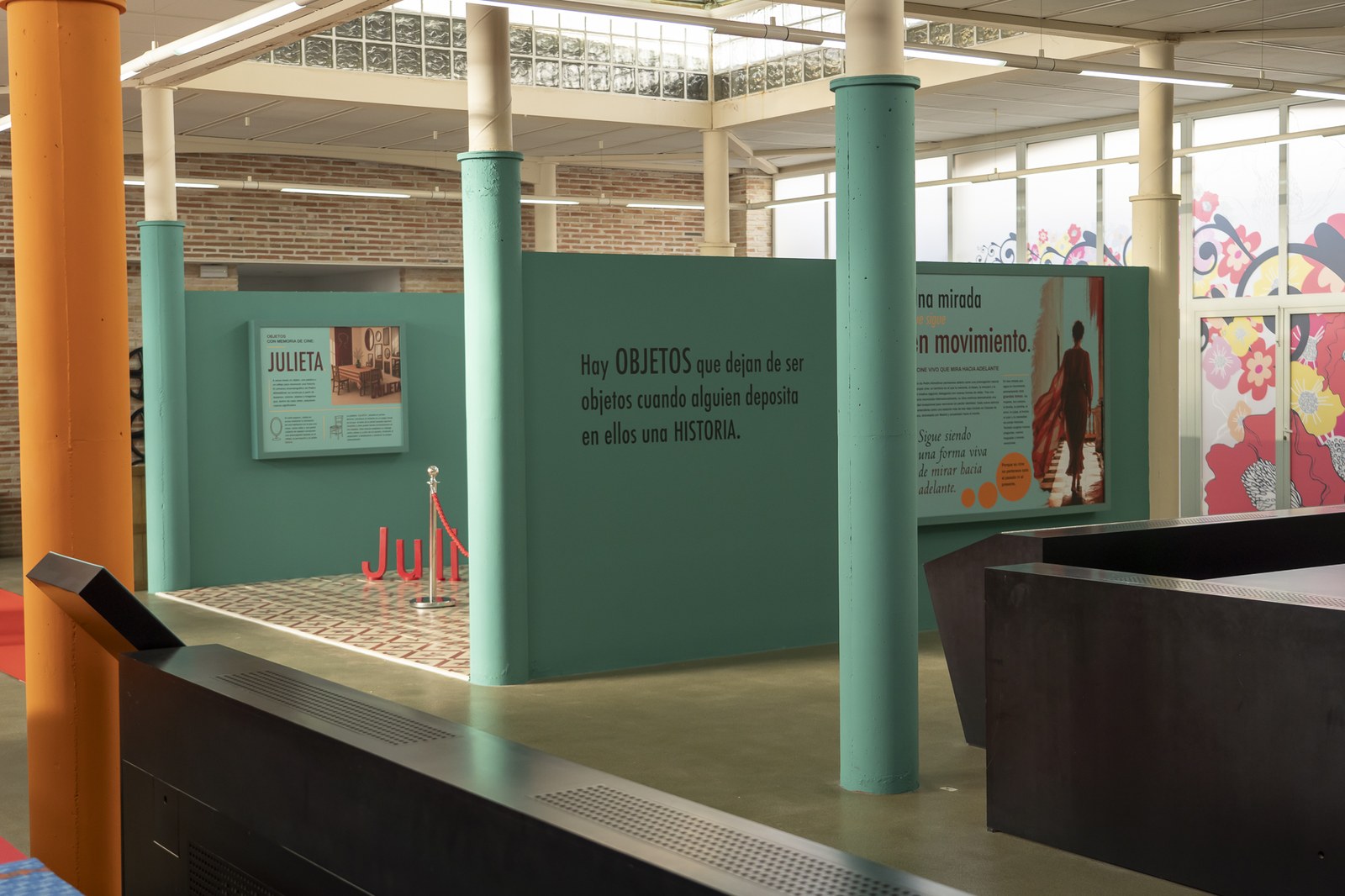
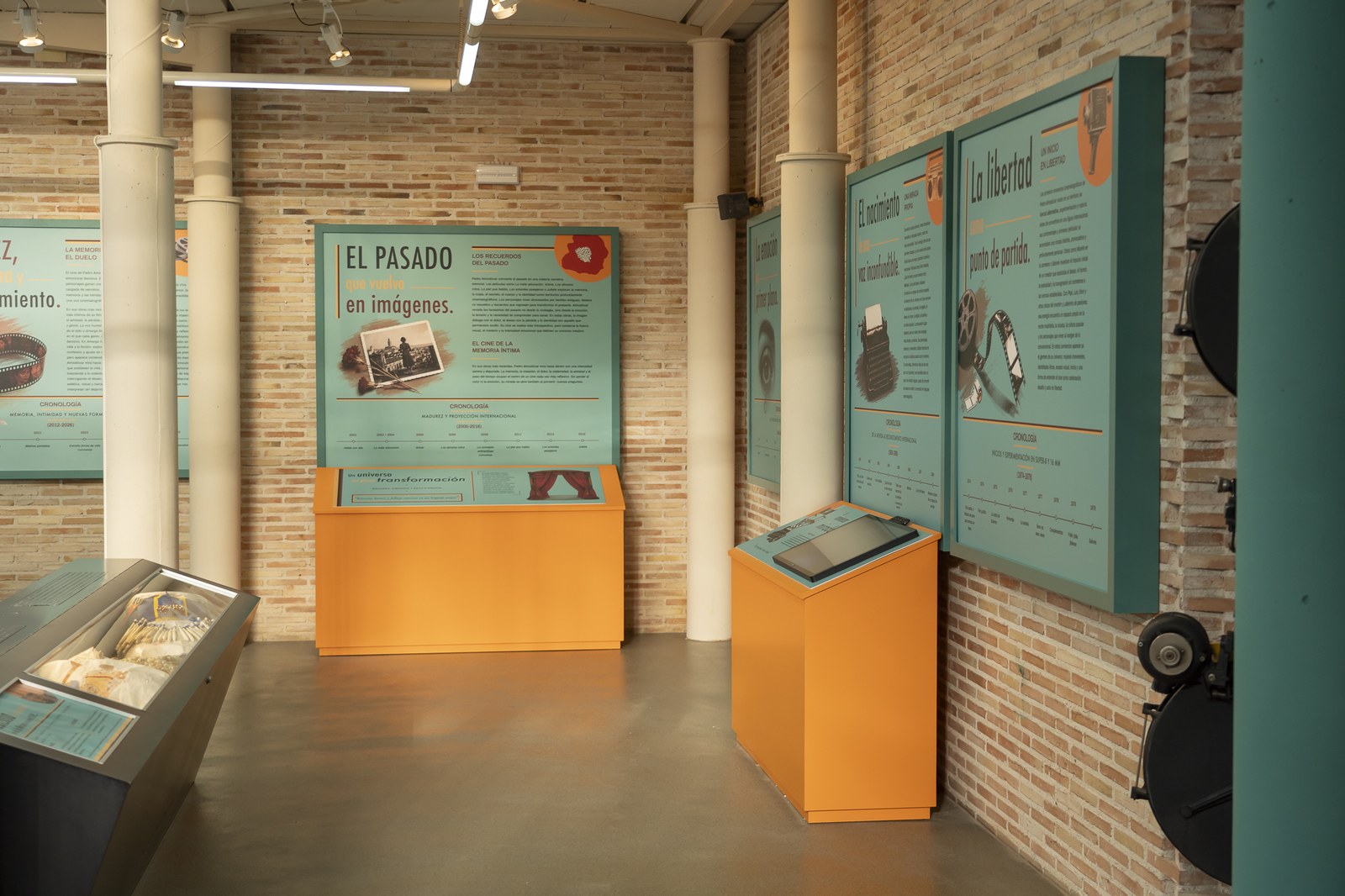
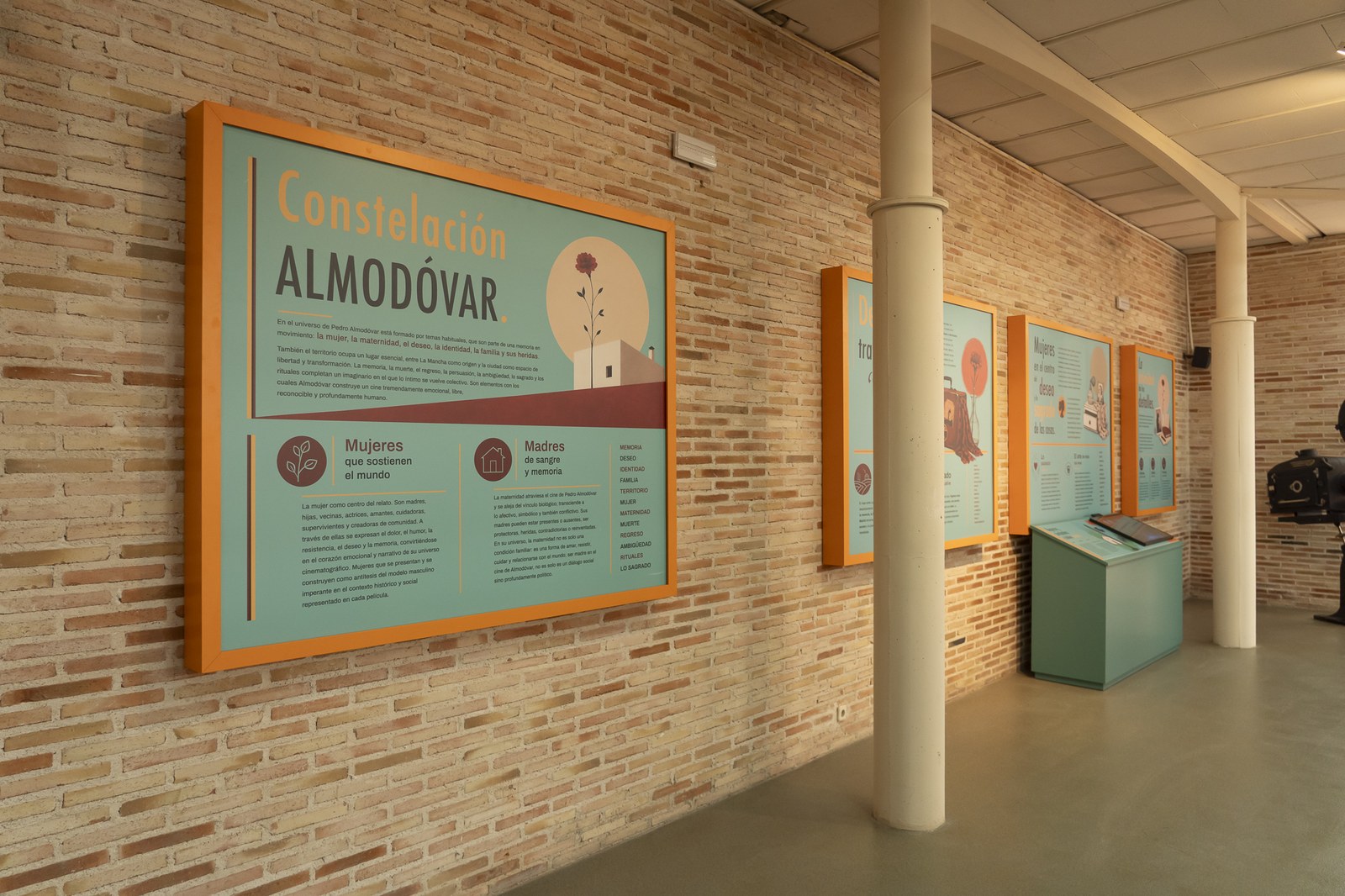
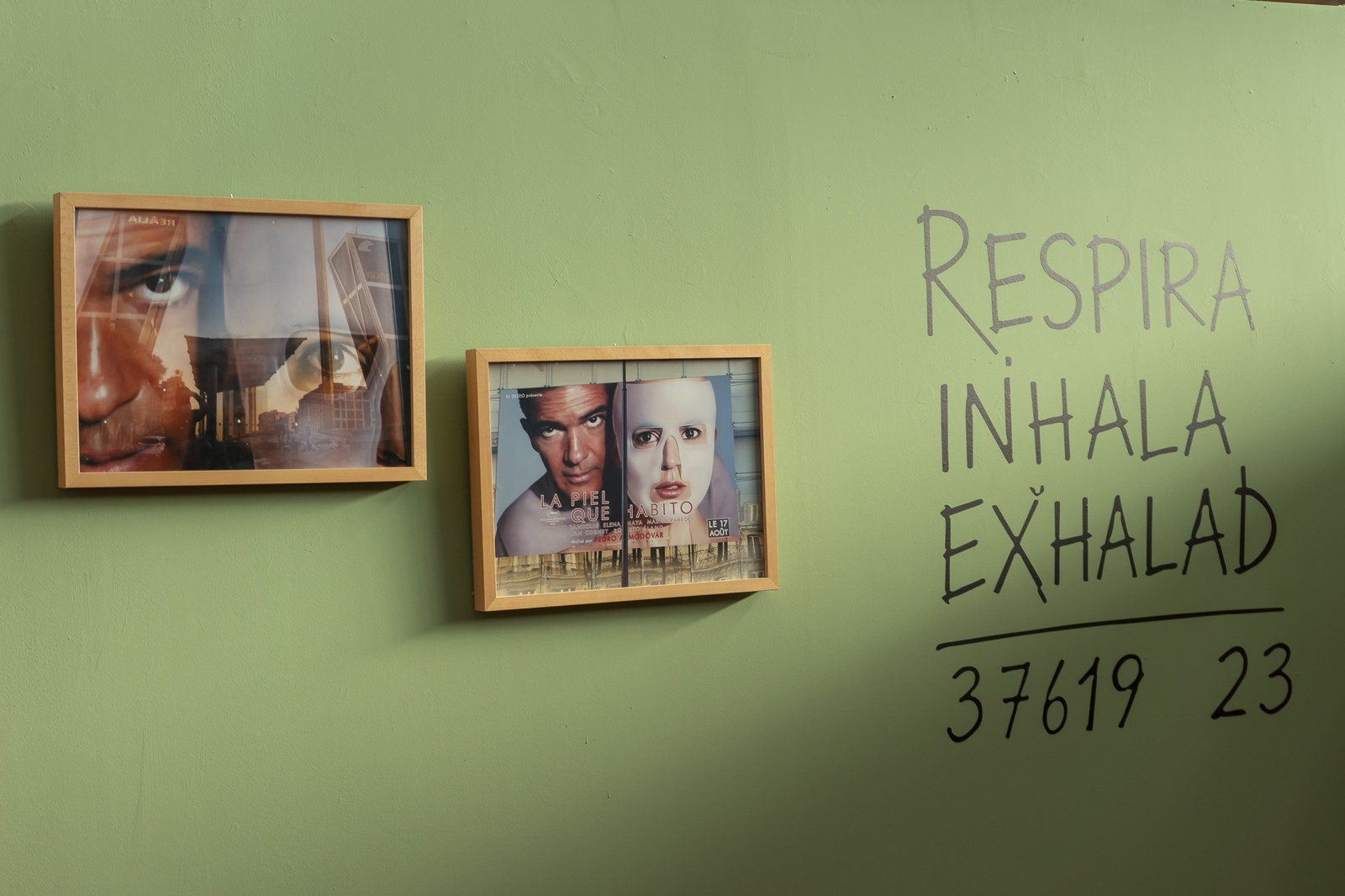
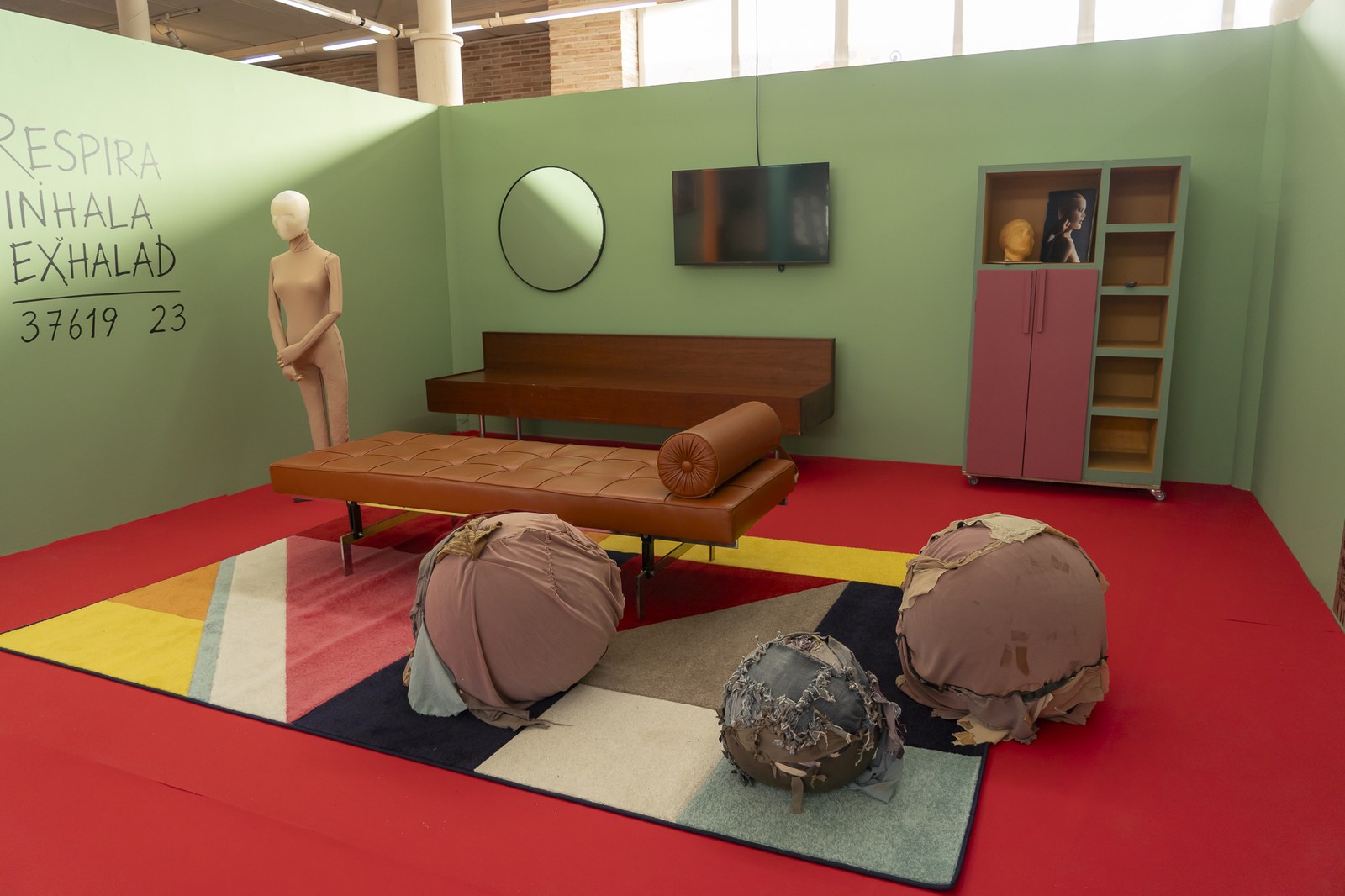
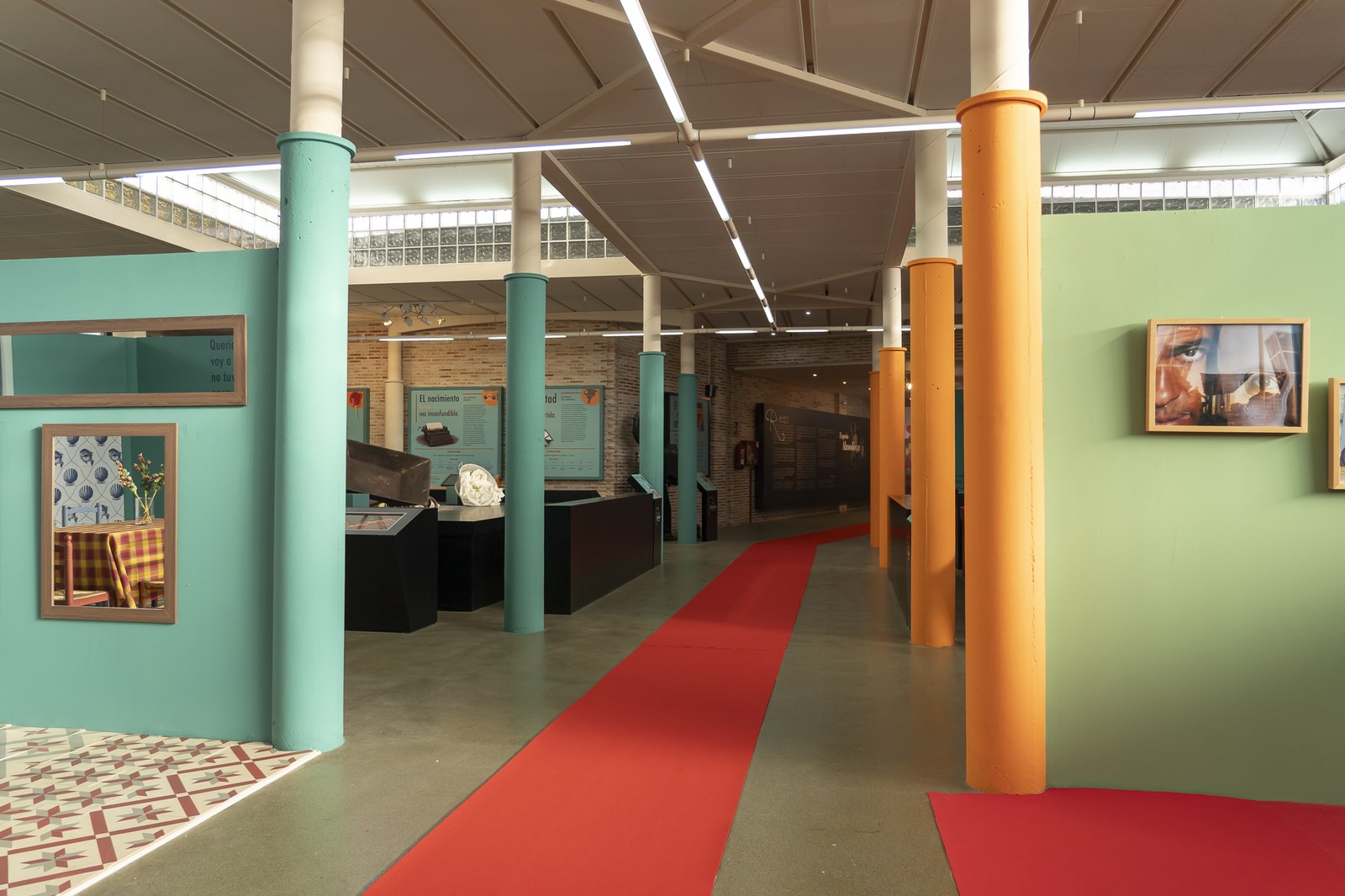
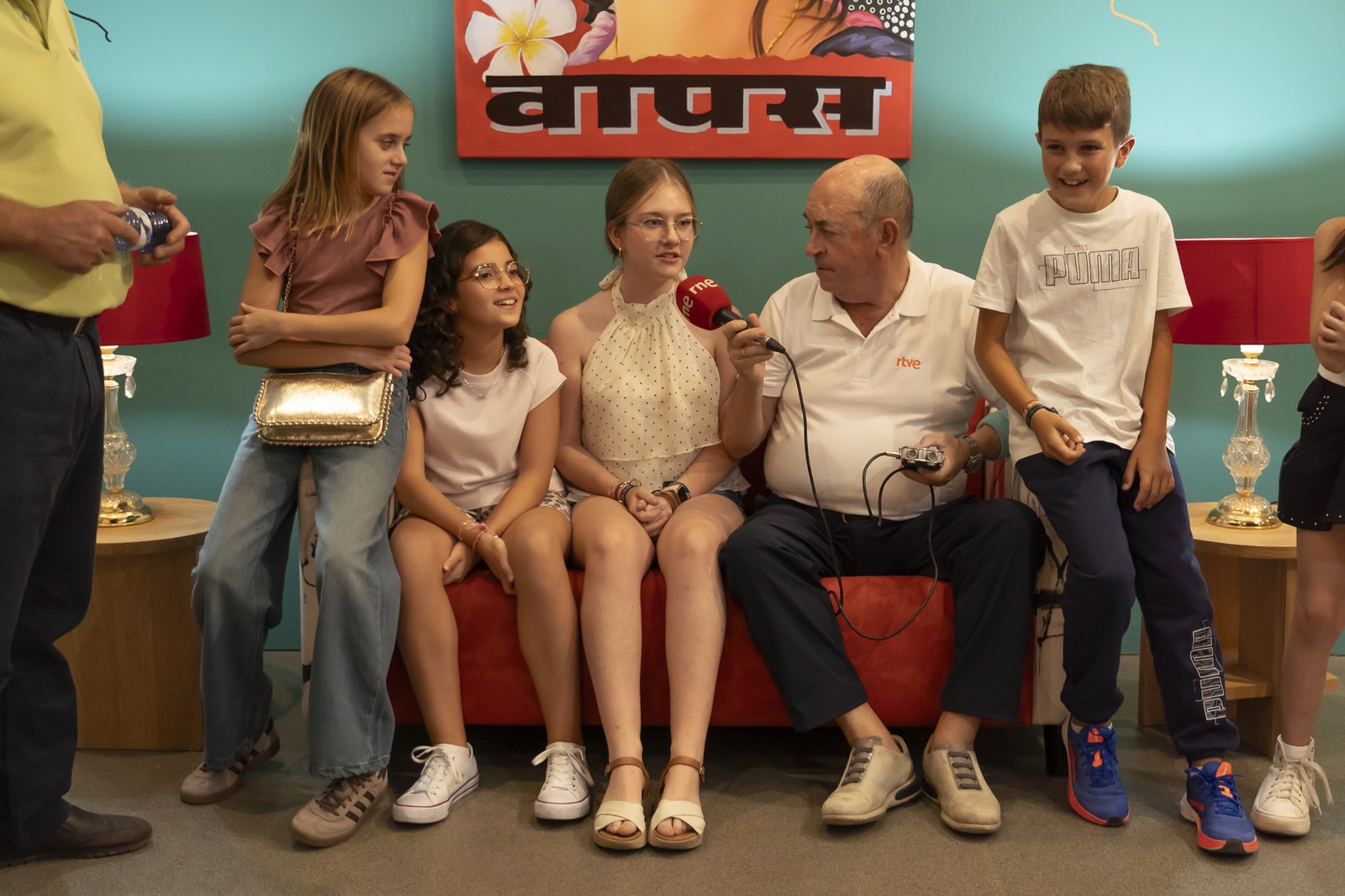
Maite Page, head of the company responsible for refurbishing the Espacio Almodóvar, explained the concept behind the new space. She noted that the chosen colours, turquoise blue and orange, “are Pedro Almodóvar’s colours. They do not represent any particular film, but rather the director himself, with the aim of ensuring this centre does not go unnoticed”. The space is organised into four areas. The introductory area is dominated by an image of the filmmaker and features two photo opportunities. At one of these, visitors can have their photograph taken with items loaned by the Almodóvar family.
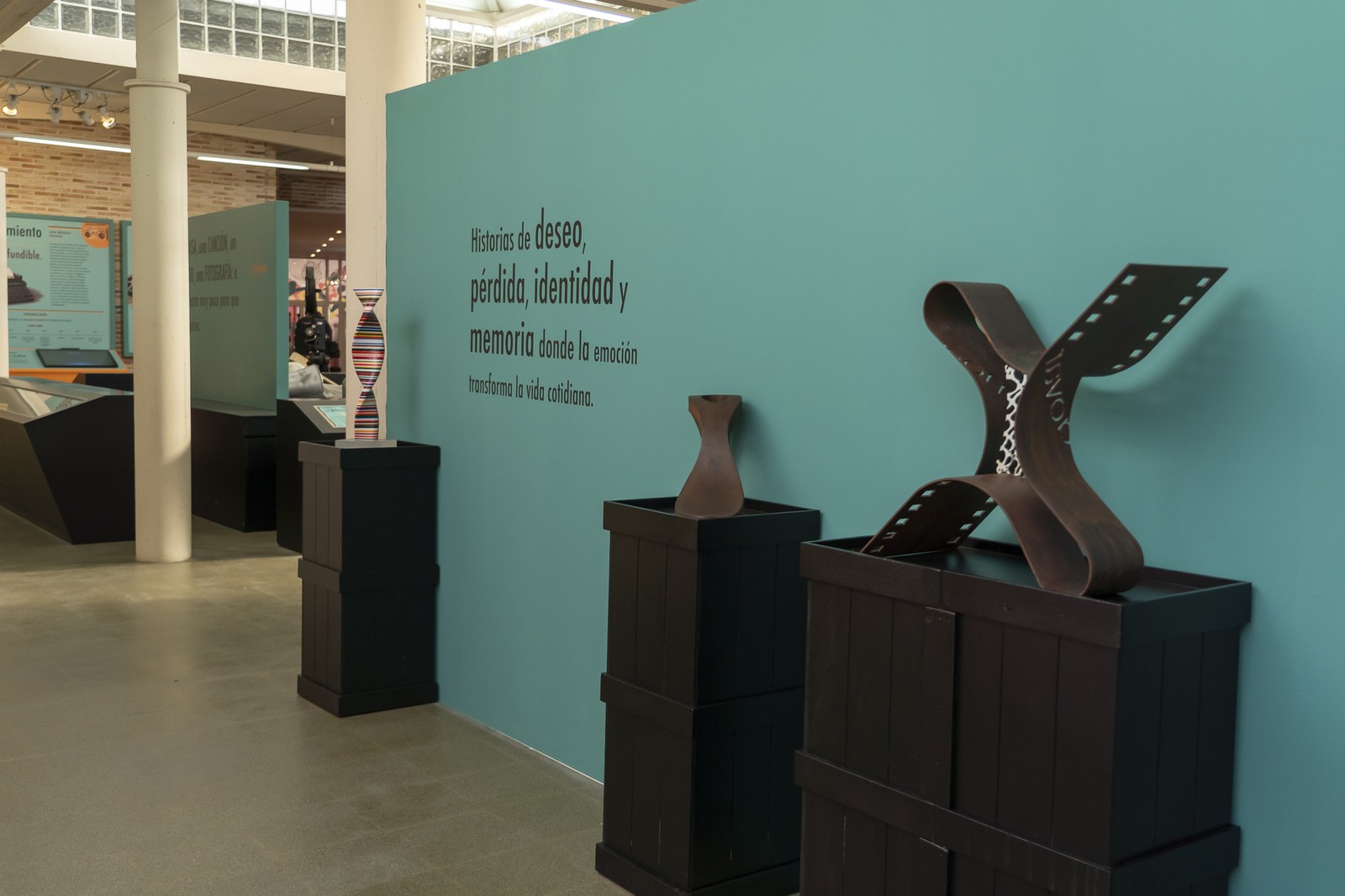
The exhibition is then divided into two routes. One chronologically reviews the director’s entire filmography, with graphic panels and an interactive point providing access to his films and trailers. The other explores recurring themes in his films, such as love, motherhood, women, jealousy and La Mancha.
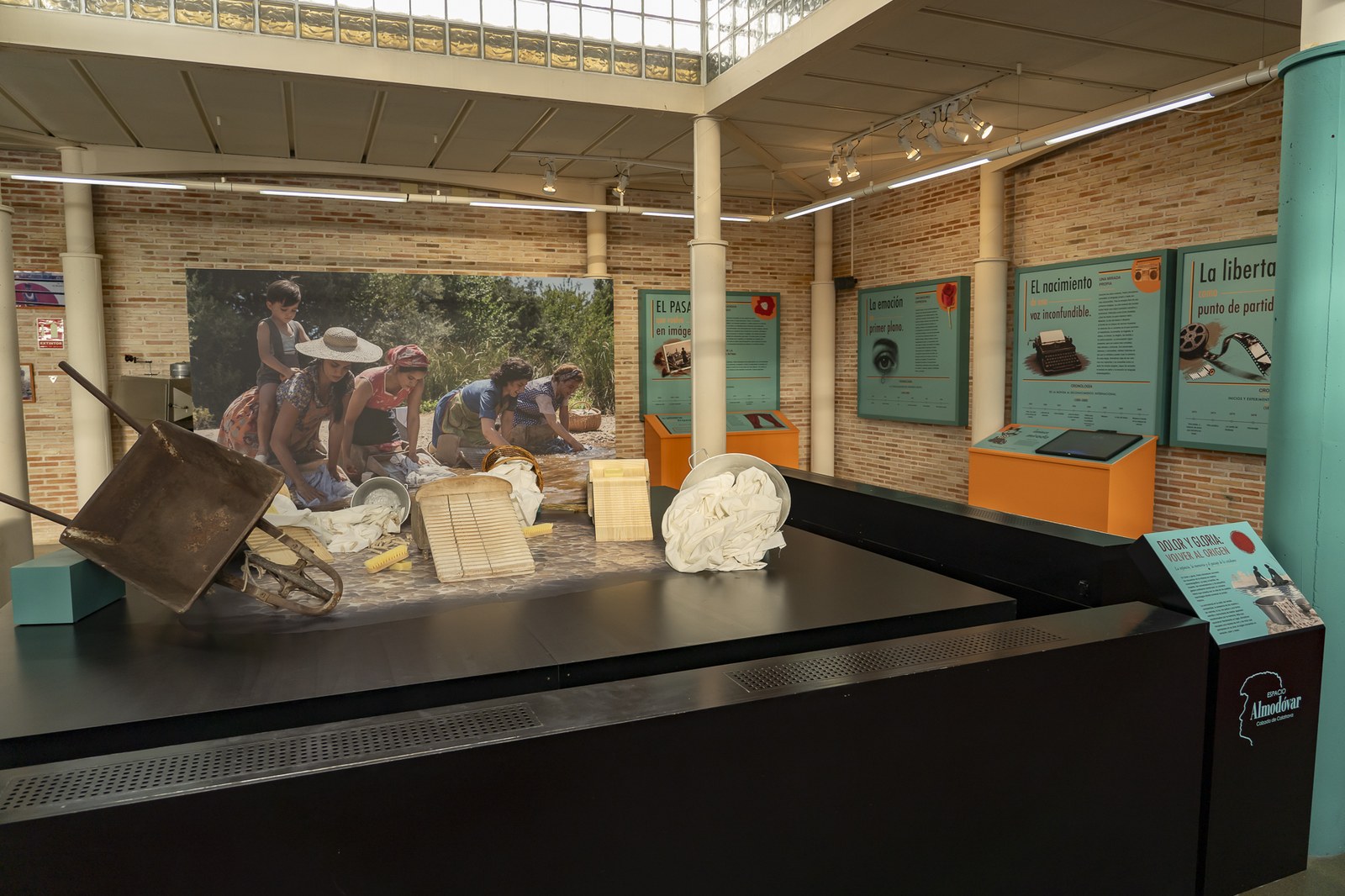
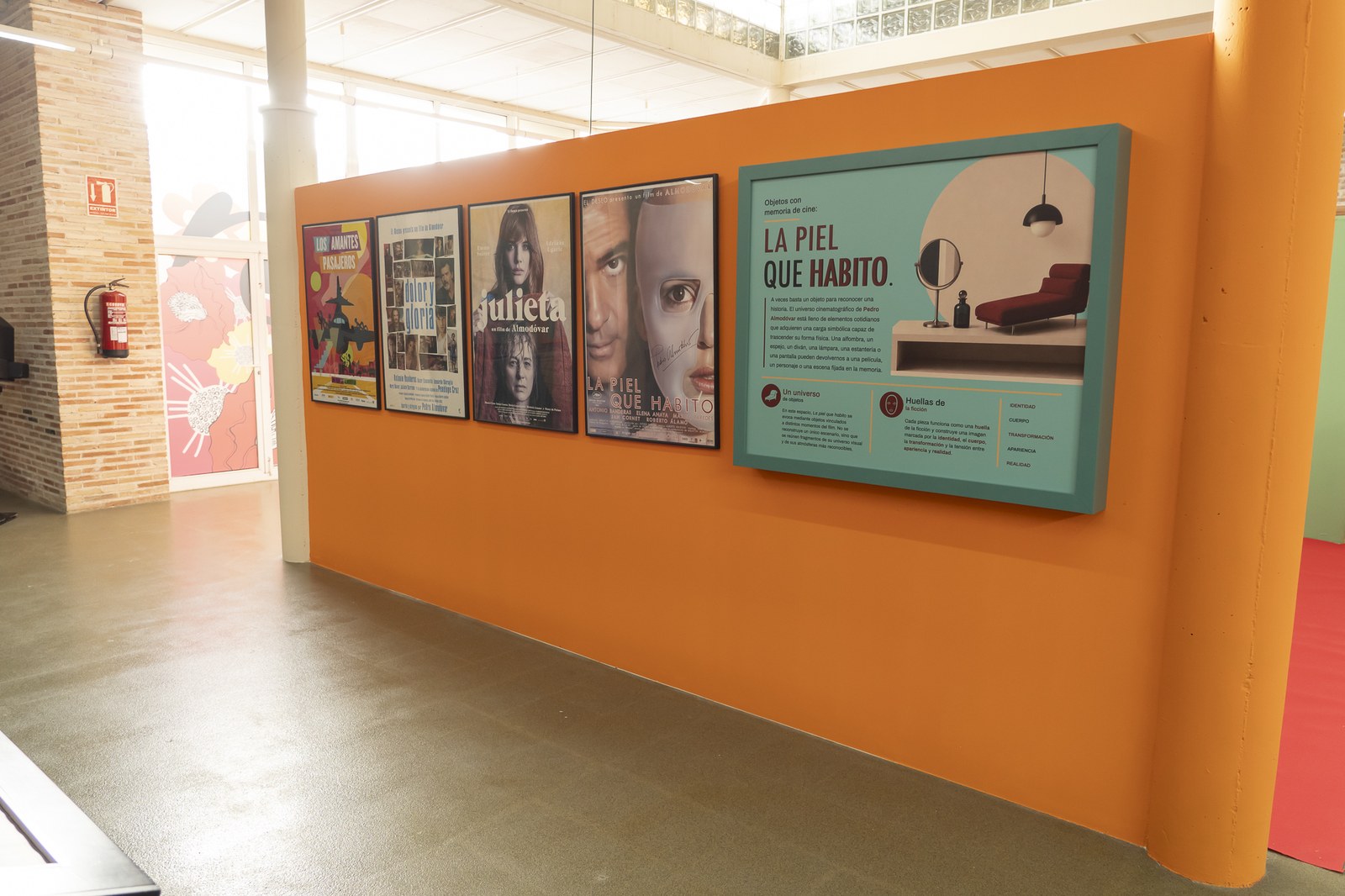
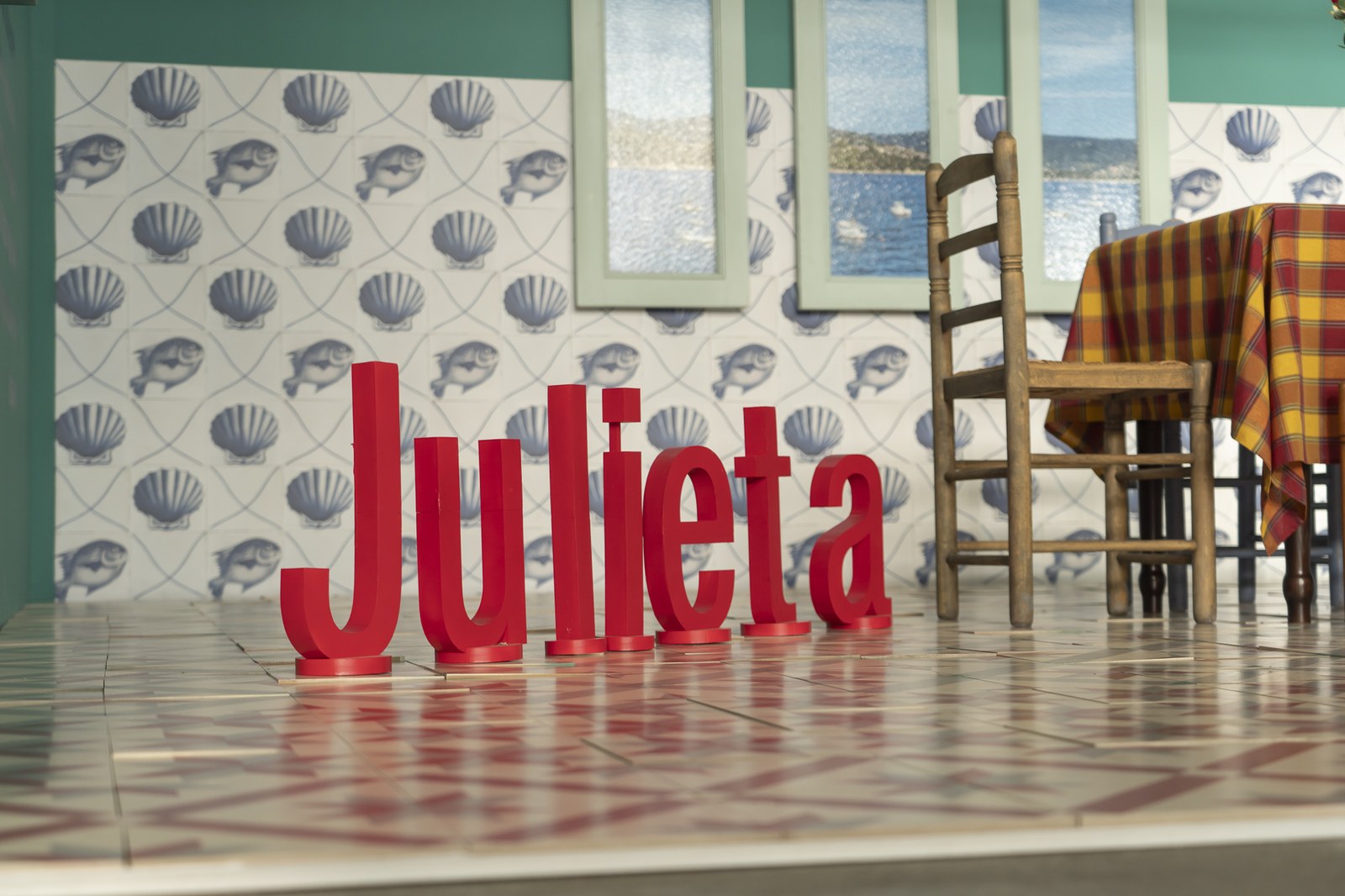
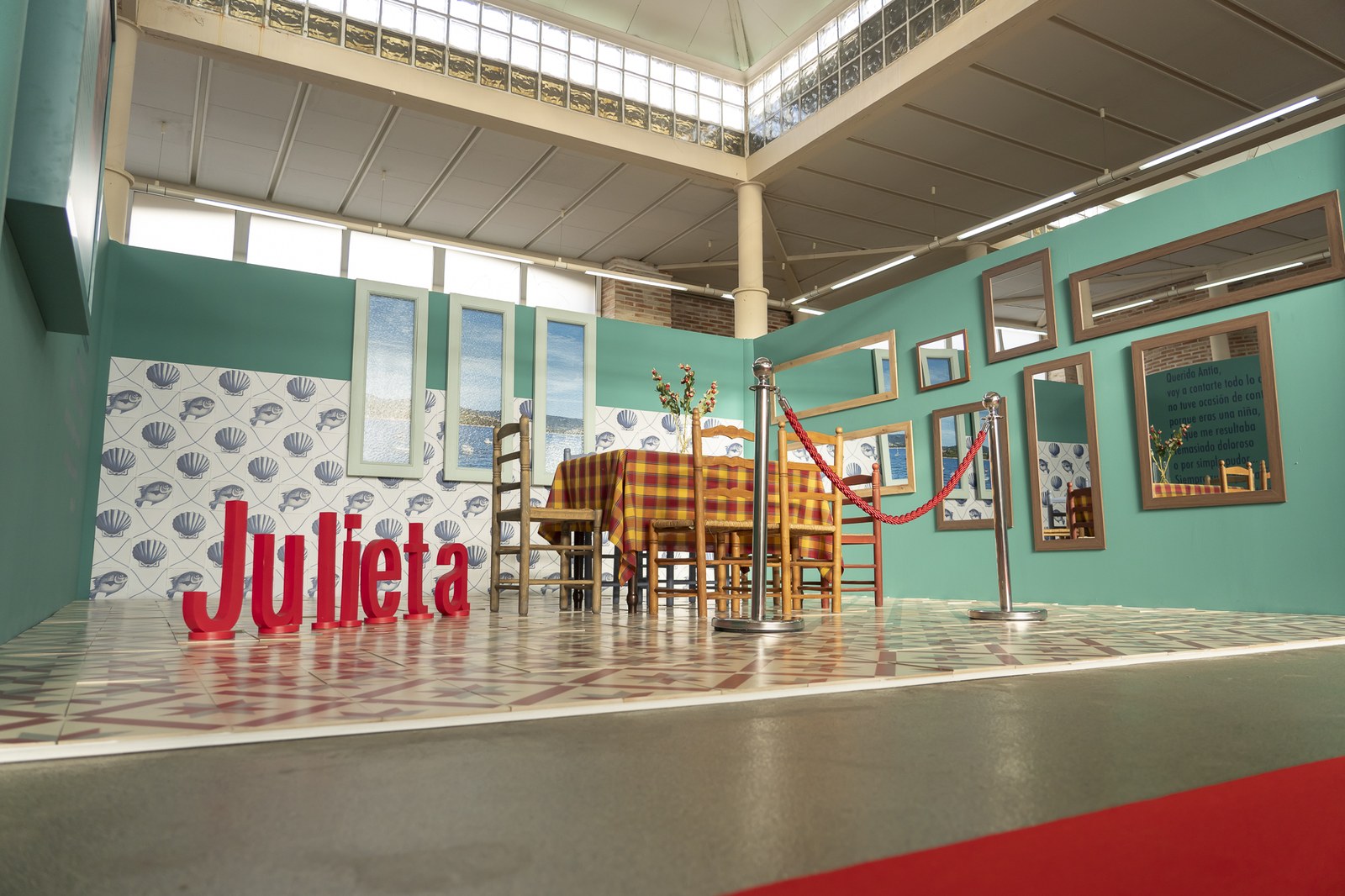
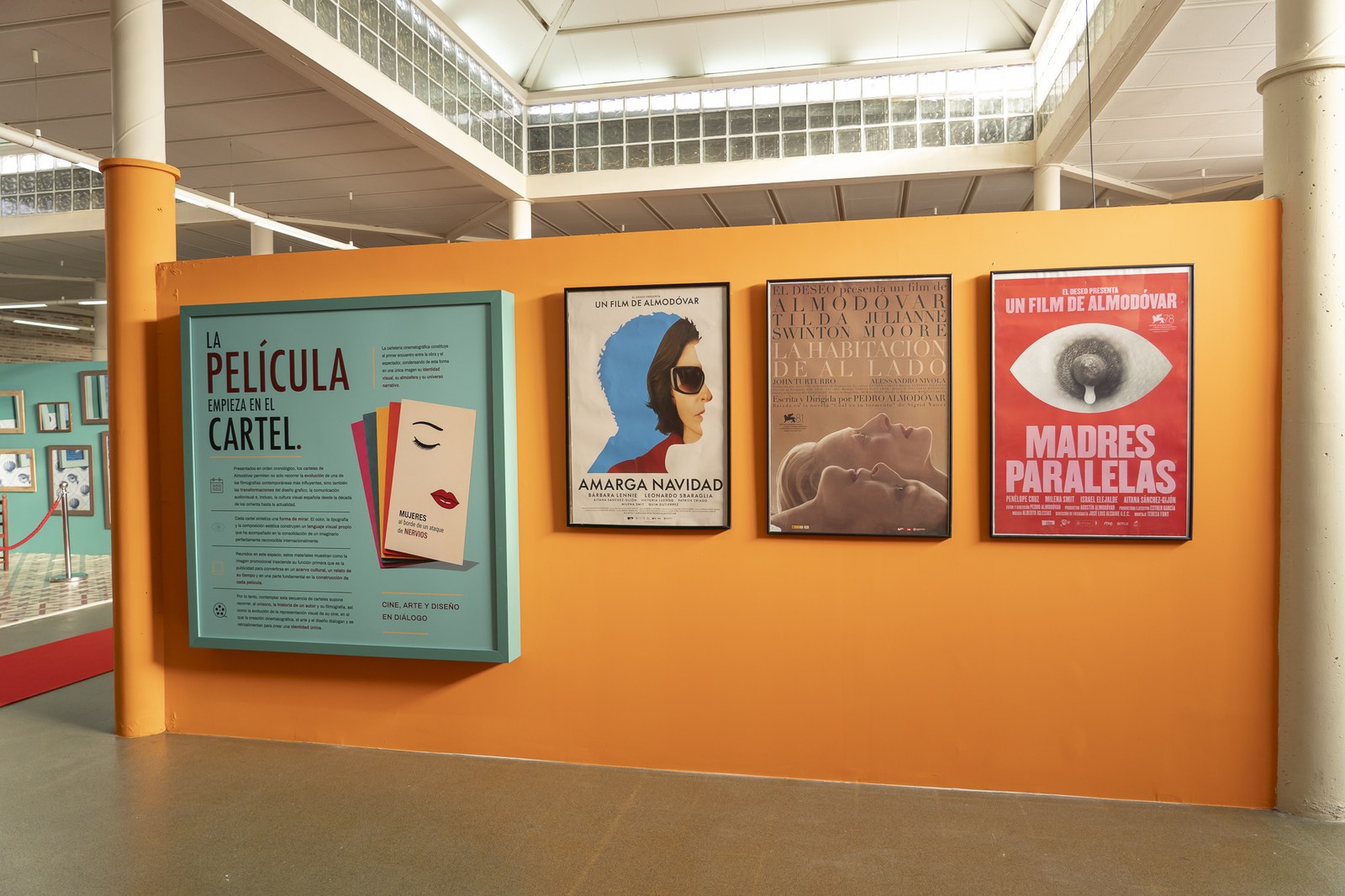
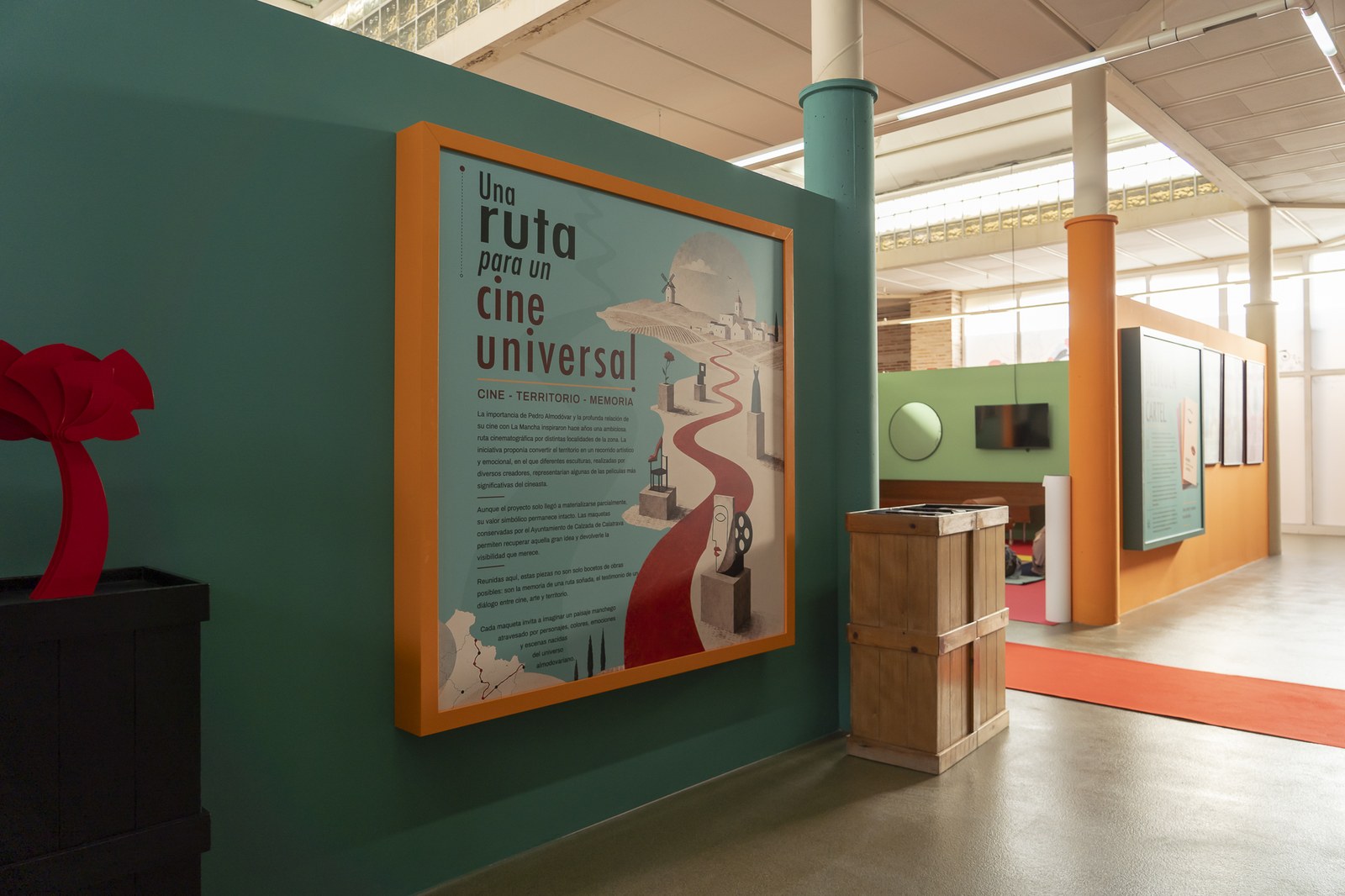
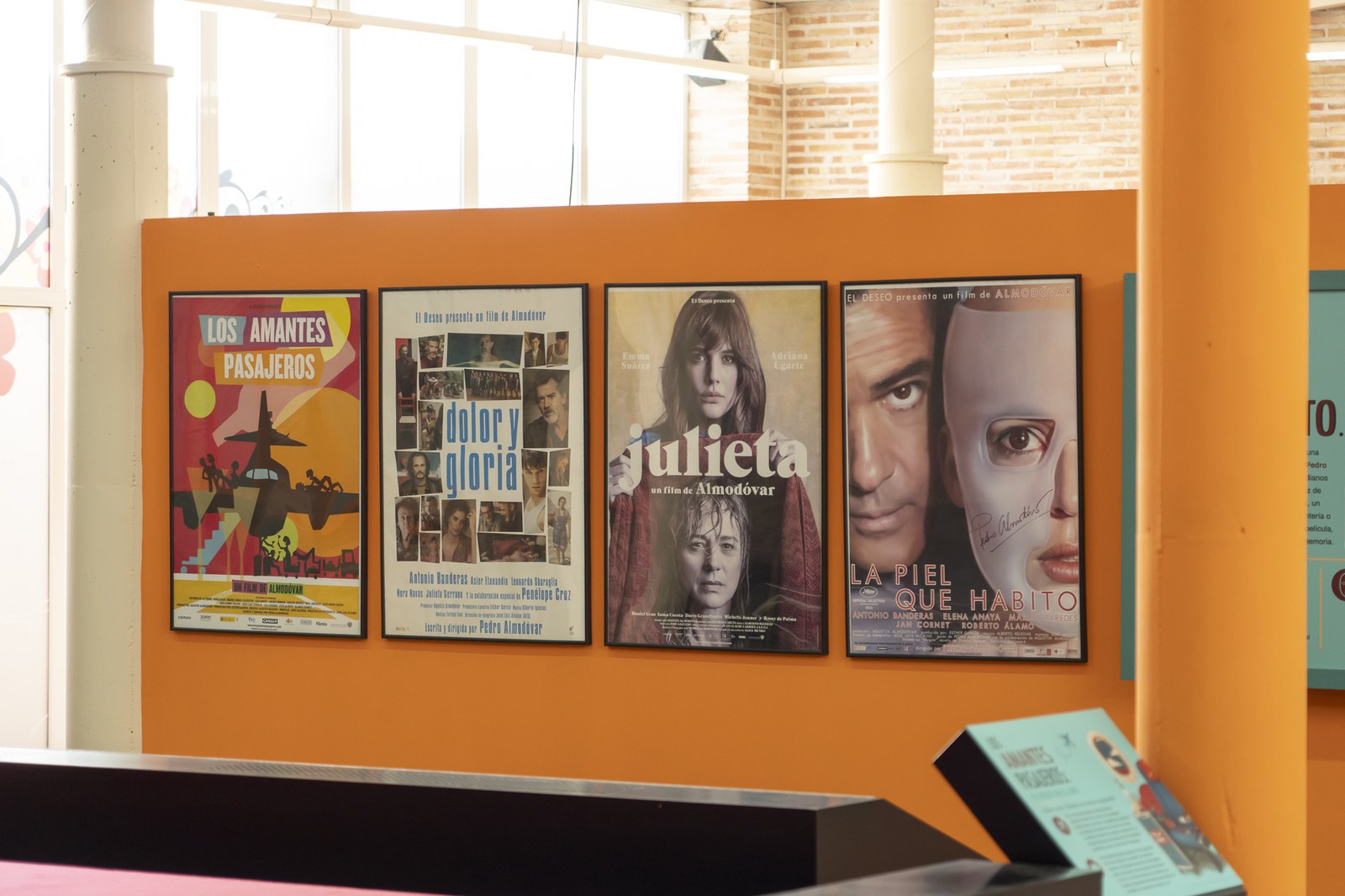
The central section consists of four sets dedicated to ‘Pain and Glory’, ‘I’m So Excited!’, ‘The Skin I Live In’ and ‘Julieta’. These sets include original furniture and props from the film shoots. Some of these were already in the Calzada collection, whilst others have now been loaned by the family. The tour concludes with the Almodóvar cinema trail and an exhibition of film posters, accompanied by an interactive display on the evolution of their design.
“We didn’t want to include anything from his personal life. It’s a space dedicated to Pedro Almodóvar as a filmmaker and to his entire filmography,” said Page. As he explained, El Deseo “has been behind every single decision” and is pleased with how the project has been conceived.